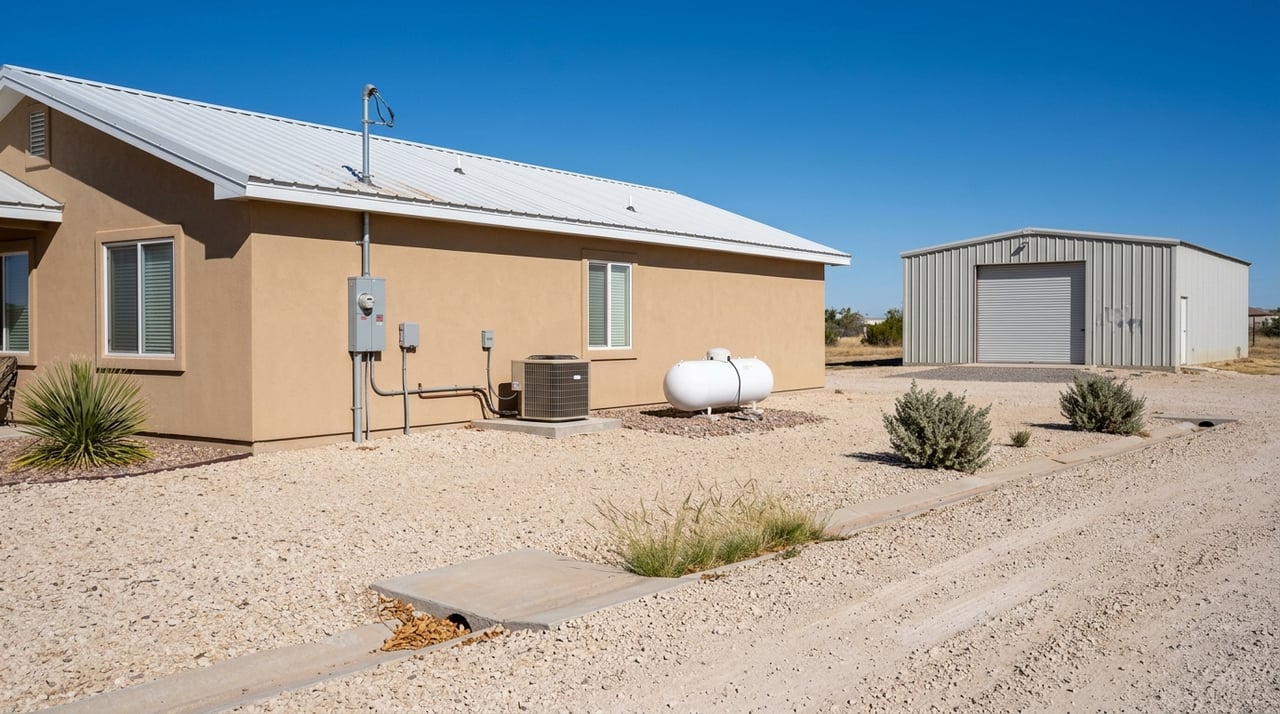
Guided Steps to Sell Your Rural Home Near Portales
March 26, 2026
March 26, 2026
Thinking about selling a rural home or acreage near Portales? You already know it takes more than a fresh coat of paint. Buyers want clear answers about access, wells, septic systems, water rights, utilities, and outbuildings. This guide shows you exactly what to prepare, how to price and market your land, and which local resources can help you move from listing to closing with confidence. Let’s dive in.
Rural listings attract a wide mix of buyers. You may see local farmers and ranchers, equestrian and hobby buyers, and people seeking space just outside town. Some will use rural-focused financing, and many will ask for details about land use, water rights, and legal access before they write an offer.
Market data in small counties can swing quickly. In Roosevelt County, monthly reports track medians, active listings, and days on market, but low sales volume can make short-term numbers jump. It is wise to confirm current pricing and timing with your local MLS or a broker who knows acreage. You can also review county-level trends in the New Mexico REALTORS 2024 housing stats to understand the big picture for planning your sale. New Mexico REALTORS’ county reports are a helpful reference.
Preparing rural property well is half the sale. Strong documentation builds buyer trust and speeds up due diligence.
Buyers want to know how they get to the property and who keeps the road passable. Clearly state if your road is county maintained, a state route, or a private easement. If access includes a private lane, gather any maintenance agreements, gate instructions, and winter access notes. Roosevelt County outlines its road policies, right-of-way permits, and maintenance priorities on the county road page. See the Roosevelt County road maintenance information.
Inside Portales city limits, water is typically city service. Outside town, most homes rely on private wells. Have your city water account number ready if you are on municipal service. If you have a well, pull your well permit file number, well log, and any pump test or yield notes. The Office of the State Engineer provides well records and metering information that buyers and lenders often request. Visit the Portales Utilities Department for city water info, and retrieve well records through the New Mexico Office of the State Engineer.
If your home uses a septic system, gather the permit or registration number, any as-built drawings, and service records. A current septic evaluation is commonly required during a property transfer, especially if the buyer is using financing. Scheduling a pre-listing inspection can save time later. The New Mexico Environment Department explains permits, evaluations, and approved products on its homeowner page. Learn more at the NMED Onsite Wastewater program.
List the electric provider and whether service is via a rural electric cooperative. In much of Roosevelt County, power is provided by co-ops such as Roosevelt County Electric Cooperative. Confirm overhead vs. buried lines, transformer locations, and whether meters serve outbuildings. See the Roosevelt County Electric Cooperative overview. If the property has natural gas, identify the service provider and any meter locations. The New Mexico Gas Company service guide offers details on local service.
Internet access varies. Many rural buyers accept satellite or fixed wireless options, and some use Starlink. If you have strong 5G or a wired option, say so. A quick summary of available internet options for Portales can help set expectations. Review a Portales internet provider summary for context.
In New Mexico, groundwater and water rights are administered by the State Engineer. If your property includes a well used for irrigation or if you believe water rights transfer, gather permit numbers and any related filings. Keep in mind the broader water picture. Eastern New Mexico relies on the Ogallala aquifer, and regional projects are underway to address long-term supply. If you market irrigated land, disclose what you know and direct buyers to verify. Start with the OSE well and meter records portal, the ENMWUA project overview, and the USGS High Plains aquifer report for regional context.
Create a clear inventory with sizes, uses, and condition. Note barn dimensions, tack rooms, machine sheds, hay storage, working pens or corrals, chute equipment, and fencing type and length. If any outbuildings include finished space, provide photos and permit info if available. This level of clarity helps buyers compare your property to others with confidence.
Rural properties rarely match each other one-to-one. A price should reflect land type, water access, well yield, improvements, and outbuildings. Your best approach is to work with a broker who understands per-acre valuation, improvement adjustments, and how to handle sparse or mixed comparables.
In your listing materials, be precise and transparent:
These details reduce friction, support the appraisal, and help buyers self-qualify faster.
A broad MLS launch still matters, but rural listings benefit from targeted exposure. Consider land-focused outlets and local networks in addition to standard channels. Farm and co-op bulletin boards and community groups can generate strong leads. Emphasize acreage, access, and water or well details in your headline and first photo captions.
Use visuals that show the whole picture. Wide-angle aerials or drone footage can highlight boundaries, access roads, grazing areas, and the arrangement of outbuildings. Hire a qualified operator and follow FAA rules. On the ground, capture high-resolution images of barns, gate lines, waterers, and fencing, along with clean, well-lit interiors.
Acreage sales often need more prep time than in-town homes. Here is a practical plan if you are looking to move within the next year.
You do not have to navigate the extra steps of a rural sale alone. With deep local roots and a track record across small-acreage, equine, and hobby-farm properties, our team organizes the paperwork, coordinates inspections, and markets the details buyers care about most. We use clear, practical checklists and proactive communication so you can focus on your move while we guide the process from pricing to closing.
Ready to talk strategy, ask questions, or request a seller packet? Reach out to Tammy Waters for local guidance and a customized plan for your acreage.
Explore additional posts offering valuable real estate guidance and local insight.
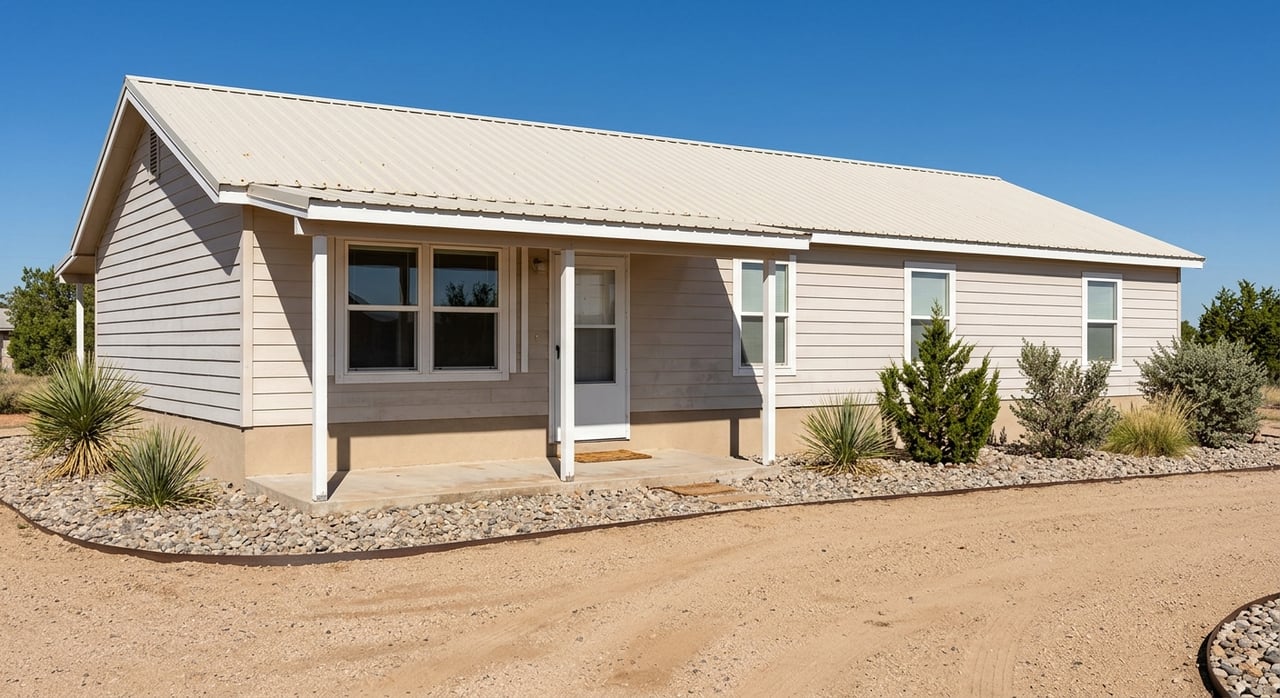
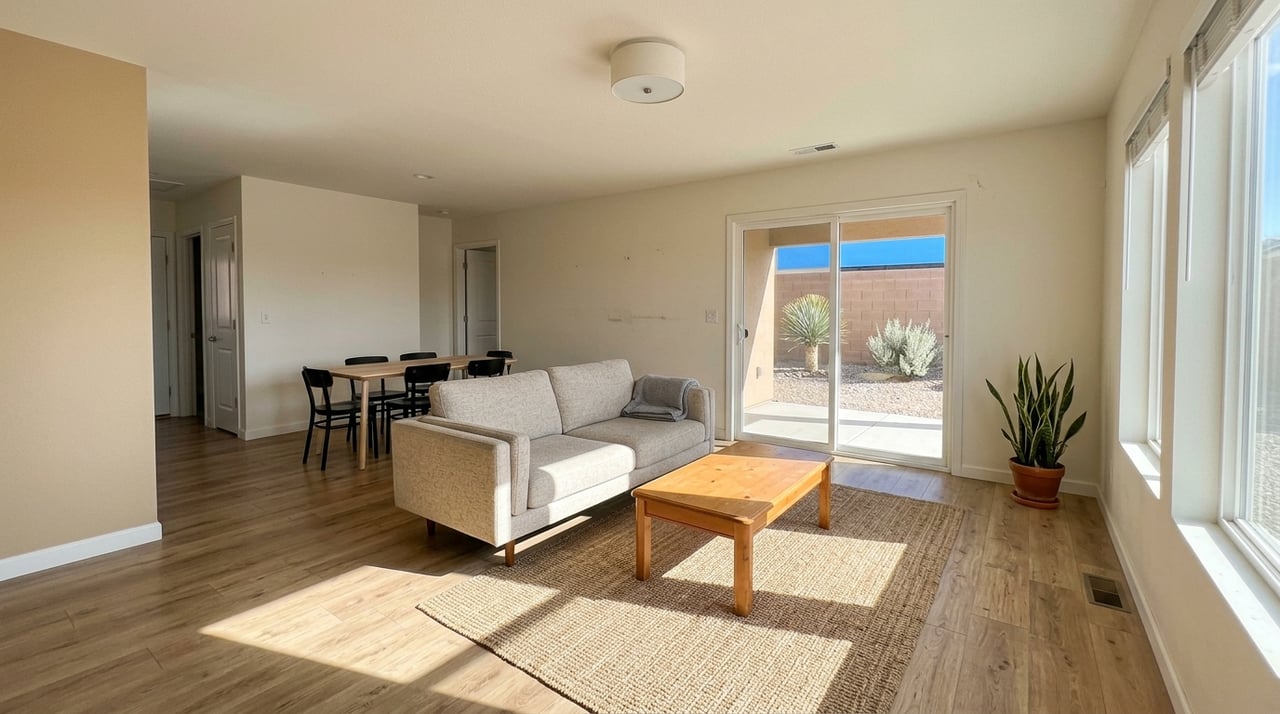
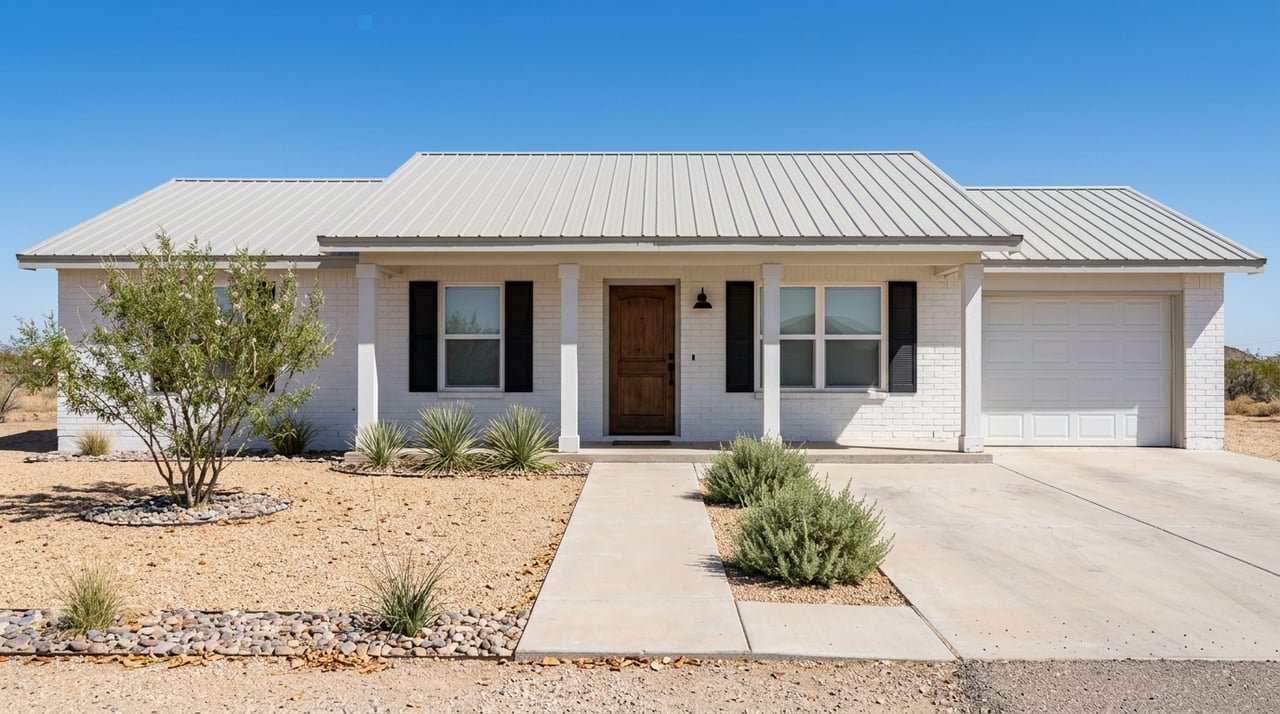
Partner with Tammy who's dedicated to providing clarity, care, and honesty throughout every step.
TAMMY WATERS
ADDRESS 400 PILE, SUITE 300 CLOVIS NM, 88101