Texico NM Rental Properties: A Practical Investor Guide
April 16, 2026
April 16, 2026
If you are looking for a rental investment in a smaller market, Texico may catch your attention for one simple reason: it is tiny, and that can create opportunity. In a place with limited housing inventory, even a small shift in supply can affect rents, vacancy, and leasing pace. If you want to understand whether a rental home in Texico fits your goals, this guide will help you look at the market with a practical investor lens. Let’s dive in.
Texico is a very small market in Curry County, with 967 residents, 372 households, and 415 housing units. The city covers only 0.8 square miles, which means there is not a large pool of rental inventory to analyze. That can make the market feel less predictable than a larger city, but it can also create openings for investors who underwrite conservatively.
The ownership profile also matters. Texico has a 74.7% homeownership rate, which suggests the local rental stock is relatively limited. For you as an investor, that means each available rental can matter more than it would in a deeper market.
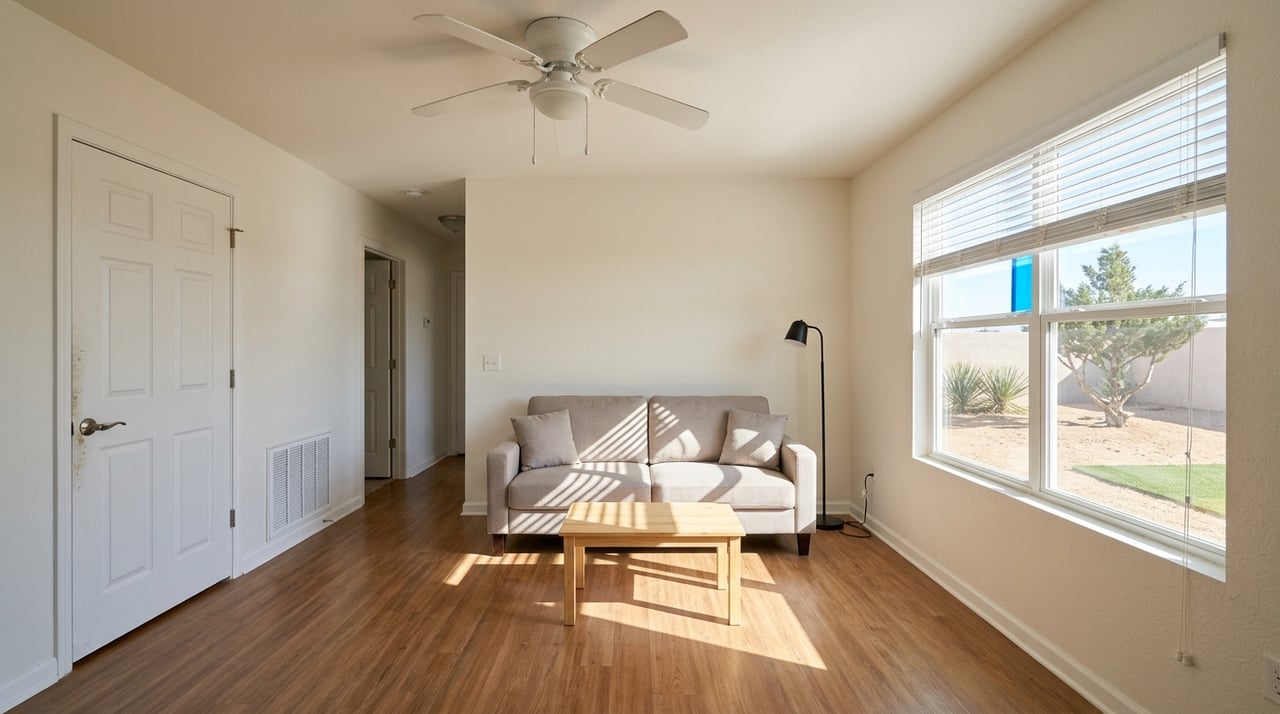
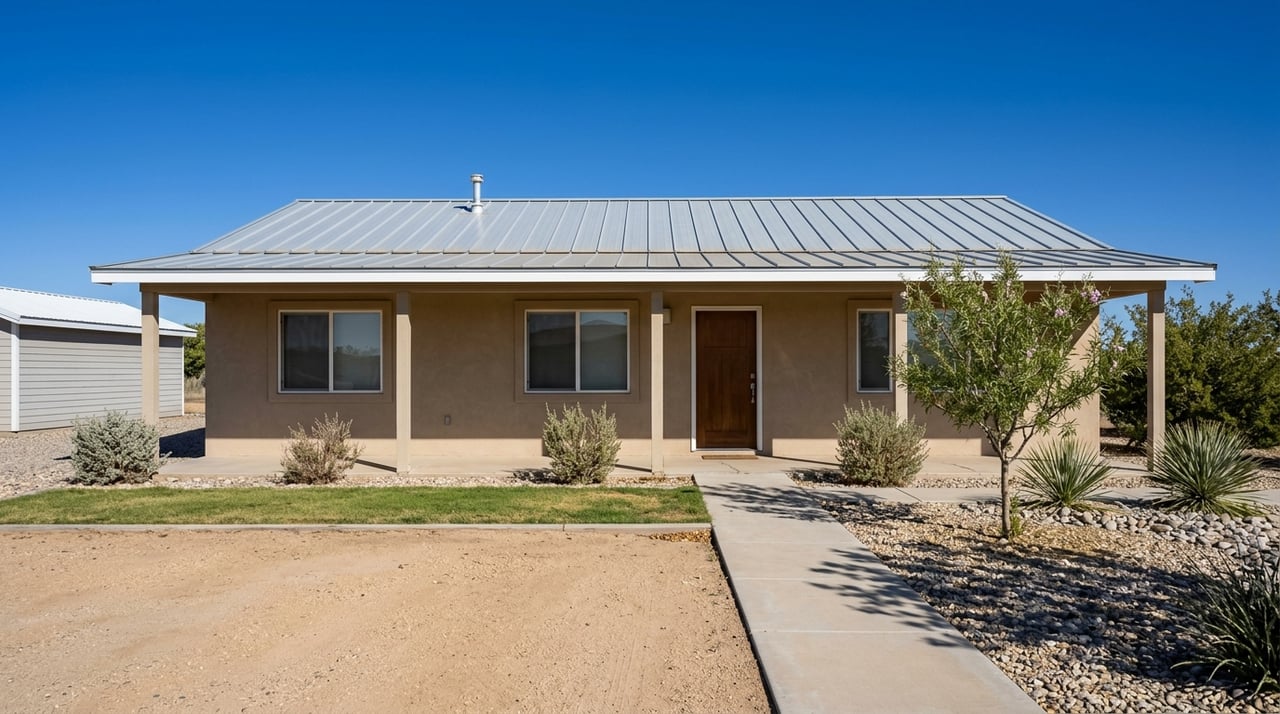
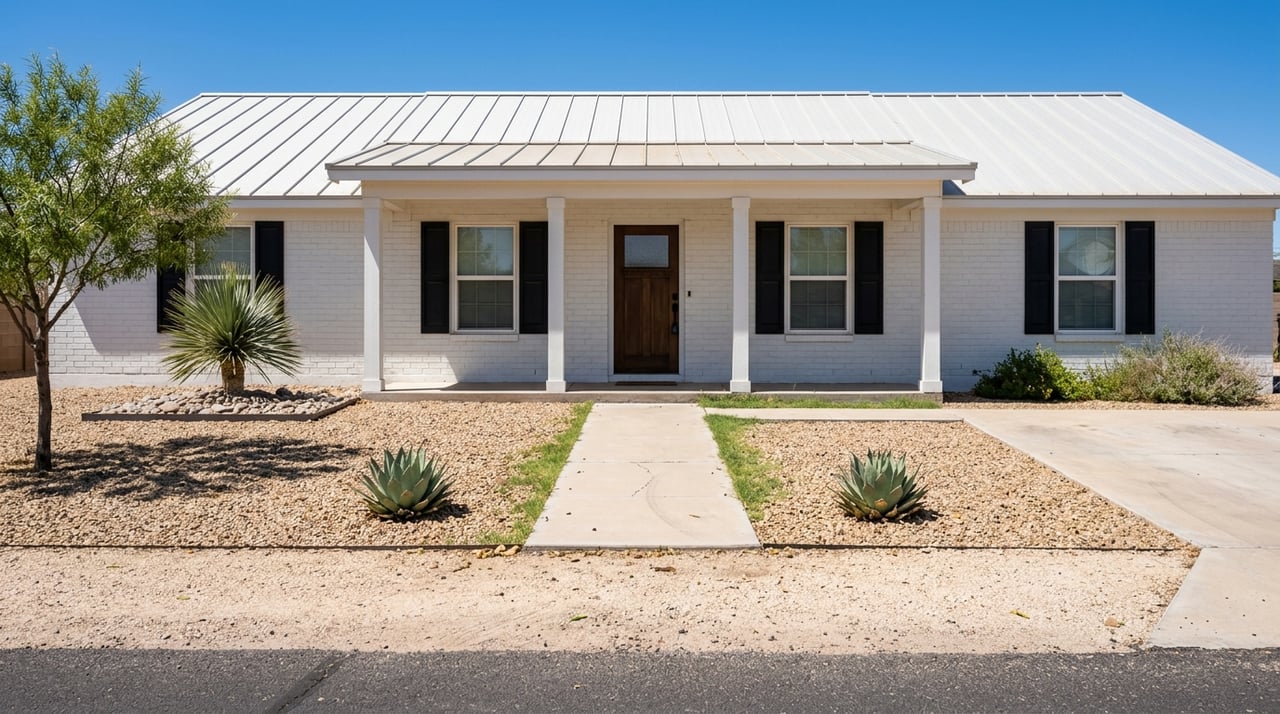
A good starting point is understanding the type of housing that exists in town. Secondary housing data shows Texico is made up largely of detached single-family homes and mobile homes, with a median construction year of 1974. That points to a market where function, condition, and maintenance are often more important than high-end finishes.
Recent sales activity also supports that picture. Recent Redfin sales in Texico included detached homes rather than large multifamily properties, which reinforces the idea that rental investing here is mostly a single-family or small residential play.
For pricing, current rent signals cluster in a fairly tight range. Zillow shows an average Texico rent of about $995, while Clovis, the nearest larger benchmark, reports a median gross rent of $988. That does not mean every property should rent at the same level, but it gives you a useful frame for early underwriting.
Texico works best when you view it as part of a broader commuter market rather than as an isolated town. It is about 9 driving miles from Clovis, and Cannon Air Force Base sits west of Clovis. Cannon’s broader community includes more than 20,000 people, which helps support housing demand across the area.
That regional connection matters because Texico itself is small, but it sits inside a larger pattern of work, commuting, and relocation. DataUSA reports that Texico residents have an average commute of 15.3 minutes, with 89% driving alone to work. In practical terms, you are looking at a car-dependent tenant base that likely values reliable housing, straightforward layouts, and access to the Clovis and Cannon corridor.
The local employment mix adds more context. Texico’s largest sectors include transportation and warehousing, health care and social assistance, and construction. That suggests demand may come from households tied to service work, logistics, skilled trades, and nearby employment centers.
In a market like Texico, it helps to think in broad, practical categories rather than narrow assumptions. Based on the data, the likely renter pool may include:
Income also appears mixed. Texico’s median household income is $65,000, while poverty is 16.6%. For you, that means some tenants may support market-rate rents for functional family housing, while others may be more price-sensitive.
Because Texico has so few active rentals, you should treat rent data as directional, not exact. Zillow reported only 3 available rentals in Texico when the market snapshot was captured. A small number like that can make averages jump around quickly.
On Zillow’s houses-for-rent page, only 2 Texico houses were actively listed. One example was a 2-bedroom home listed at $675, while nearby Clovis homes on the same page ranged much higher. That tells you two things: Texico inventory is thin, and you need to compare each property carefully based on size, condition, and location relative to the broader corridor.
HUD rent limits can also help you build a realistic range. For Curry County in FY2025, HUD lists Fair Market Rents at $805 for a 1-bedroom, $973 for a 2-bedroom, $1,246 for a 3-bedroom, and $1,634 for a 4-bedroom. Since HUD defines this as gross rent, including shelter and tenant-paid utilities except phone, cable, and internet, it is a useful benchmark when you model affordability.
One of the biggest mistakes investors can make in a tiny market is relying on too few comparables. Texico should not be analyzed in isolation. The best approach is to build your comp set using Texico first, then widen your view to Clovis and nearby towns when local data is too thin.
A practical comp strategy may include:
This approach keeps you grounded in Texico while still giving you enough data to test your assumptions. In a market this small, one listing does not tell the full story.
Texico’s price point is one of its biggest draws. DataUSA shows a median property value of $95,900 in Texico, well below Curry County’s and Clovis’s reported levels. For many investors, that lower entry cost can make starter rentals more accessible.
Still, lower pricing does not automatically mean easier cash flow. Older homes can carry meaningful repair and maintenance costs, especially in a market where much of the housing stock dates back decades. It is smart to treat acquisition price as only one part of the equation.
For a Texico rental, you can keep your underwriting straightforward:
Gross rent - vacancy reserve - operating expenses = NOI
NOI - debt service = cash flow
On the rent side, a reasonable starting framework might reference the Texico average rent near $995, the Clovis median gross rent of $988, and the HUD 2-bedroom Fair Market Rent of $973. From there, you can adjust based on the actual property, utility setup, and condition.
In a small market, conservative assumptions matter. Since active inventory is low and vacancy data can be distorted by just one or two empty homes, it is wise to build in reserves and avoid overly aggressive rent projections.
Vacancy in Texico is hard to pin down with precision. Secondary profile data places unoccupied housing at 10.9%, but in a market this small, a few vacant properties can skew the picture. That is why listing counts, days on market, and local comp work matter more than one headline vacancy number.
Reserve planning is especially important here. If you own a rental in Texico, you may not have the same deep renter pool or constant turnover you would see in a larger city. A vacancy reserve gives you room to handle leasing gaps, make-ready work, and maintenance without forcing a rushed pricing decision.
In Texico, the strongest rental positioning is usually not about luxury amenities. It is about offering a home that feels dependable, clean, and easy to live in. In an older housing stock environment, tenants may respond more to updated systems, practical layouts, and solid maintenance than to cosmetic upgrades alone.
That can include:
This is especially relevant because much of the market appears to be older detached housing. A well-kept property can stand out quickly when inventory is limited.
Climate exposure should be part of your underwriting. Redfin and First Street classify Texico as having major heat risk, moderate wildfire risk, and minor flood risk over the next 30 years. For you, that means maintenance and insurance planning should not be an afterthought.
Heat risk can affect HVAC wear, utility expectations, and tenant comfort. Wildfire and exterior exposure can also shape landscaping choices, roof maintenance, and long-term cost control. Even in a lower-priced market, these operating factors can have a real impact on returns.
Texico can make sense if you want a small, commuter-linked single-family rental niche with a lower entry point than some nearby markets. It may be especially worth a look if you are comfortable with limited inventory, modest housing stock, and a slower-moving local market profile.
This may be a better fit for investors who:
If your strategy depends on large data sets, rapid turnover, or highly predictable rent growth, Texico may feel too narrow. But if you can evaluate each property carefully and stay disciplined on numbers, it can offer a practical entry point into Curry County rental investing.
When you are ready to explore single-family rentals, manufactured homes, or starter investment properties in Texico and the surrounding area, Tammy Waters can help you evaluate local options with clear, grounded guidance.
Explore additional posts offering valuable real estate guidance and local insight.
Partner with Tammy who's dedicated to providing clarity, care, and honesty throughout every step.

TAMMY WATERS
ADDRESS 400 PILE, SUITE 300 CLOVIS NM, 88101