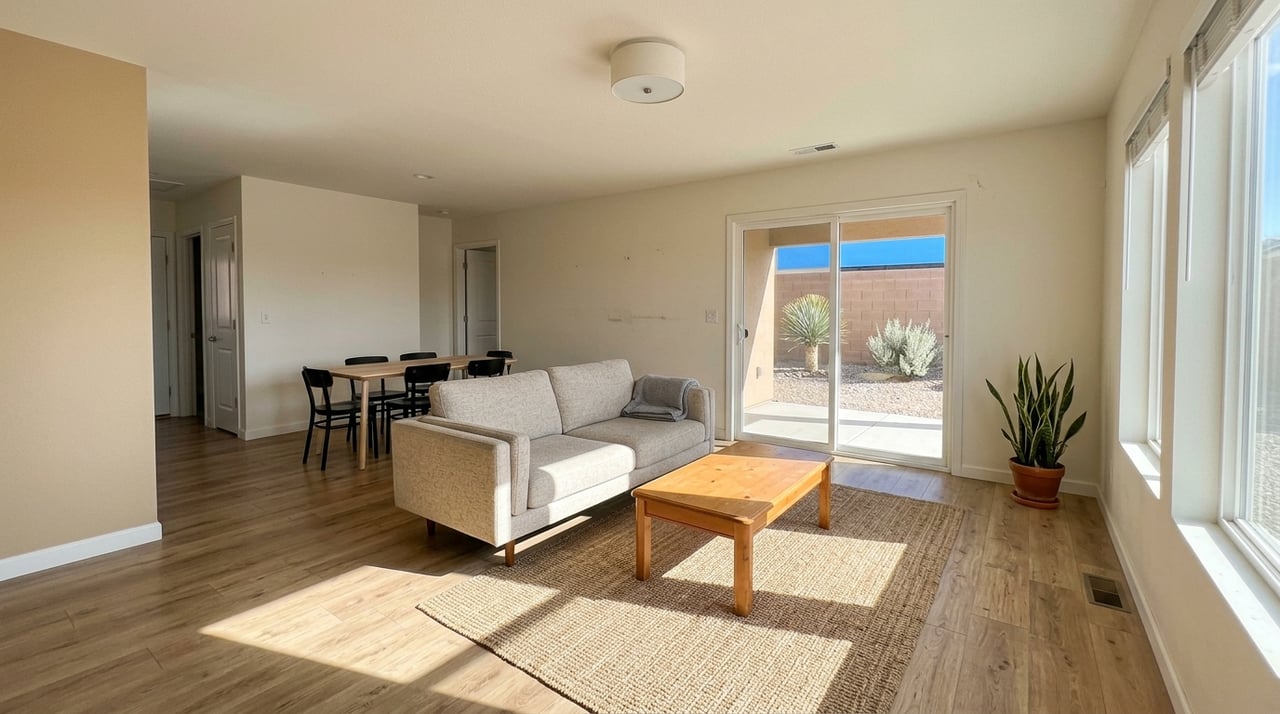
Pricing Your Clovis Home Strategically
May 21, 2026
May 21, 2026
If your first thought about pricing your Clovis home is, "I’ll just look up a value online and add a little extra," you are not alone. But in a buyer-leaning market, that approach can cost you time, showings, and leverage. The good news is that a smart pricing strategy can help you attract serious buyers, protect your bottom line, and make better decisions from day one. Let’s dive in.
Clovis is not moving like a hot seller's market right now. Recent market snapshots show 382 homes for sale, median listing prices around $219,900 to $229,000, and homes taking roughly 72 to 85 days on market based on active listing data. Redfin's March 2026 sold data also shows an average of 76 days to sell.
That matters because buyers have options. Realtor.com data shows sale-to-list ratios around 97% to 98%, which means many homes are selling below asking price. In a market like this, pricing high just to "leave room" can backfire if your home sits while buyers compare it to stronger values nearby.
A citywide average can give you context, but it should not set your list price by itself. Clovis has different price points and inventory levels within the city, and Realtor.com data shows neighborhood counts that vary from places like West Lawn and Liebelt to North Park and Clovis Original. That is why the best pricing starts close to home.
A comparative market analysis, or CMA, should focus first on similar homes in your same neighborhood or market area that have recently sold. From there, you can look at homes that are under contract and active to see what buyers have chosen and what your current competition looks like. If there are not enough similar sales nearby, the search can widen carefully.
The most useful comparable homes are similar in:
If your home is in a part of Clovis with a different price pattern, that matters too. For example, February 2026 ZIP-level data showed 88101 with a median listing price of $219,900, while 88130 was at $199,250. That gap is a reminder that even within one city, pricing needs to stay local.
Sold homes tell you what buyers were willing to pay. Active listings tell you what buyers are seeing right now. You need both.
If your home is priced above similar active listings, buyers may skip it before they ever schedule a showing. If it is priced in line with current competition, or positioned better based on condition and features, you have a stronger chance of generating interest early.
Buyers shop based on what is available today. They compare photos, condition, updates, lot size, and price side by side. In Clovis, where inventory is giving buyers room to choose, your home has to make sense against the homes they can tour this week.
Not all three-bedroom homes should be priced the same. Condition matters, and so do repairs, improvements, and property-specific features.
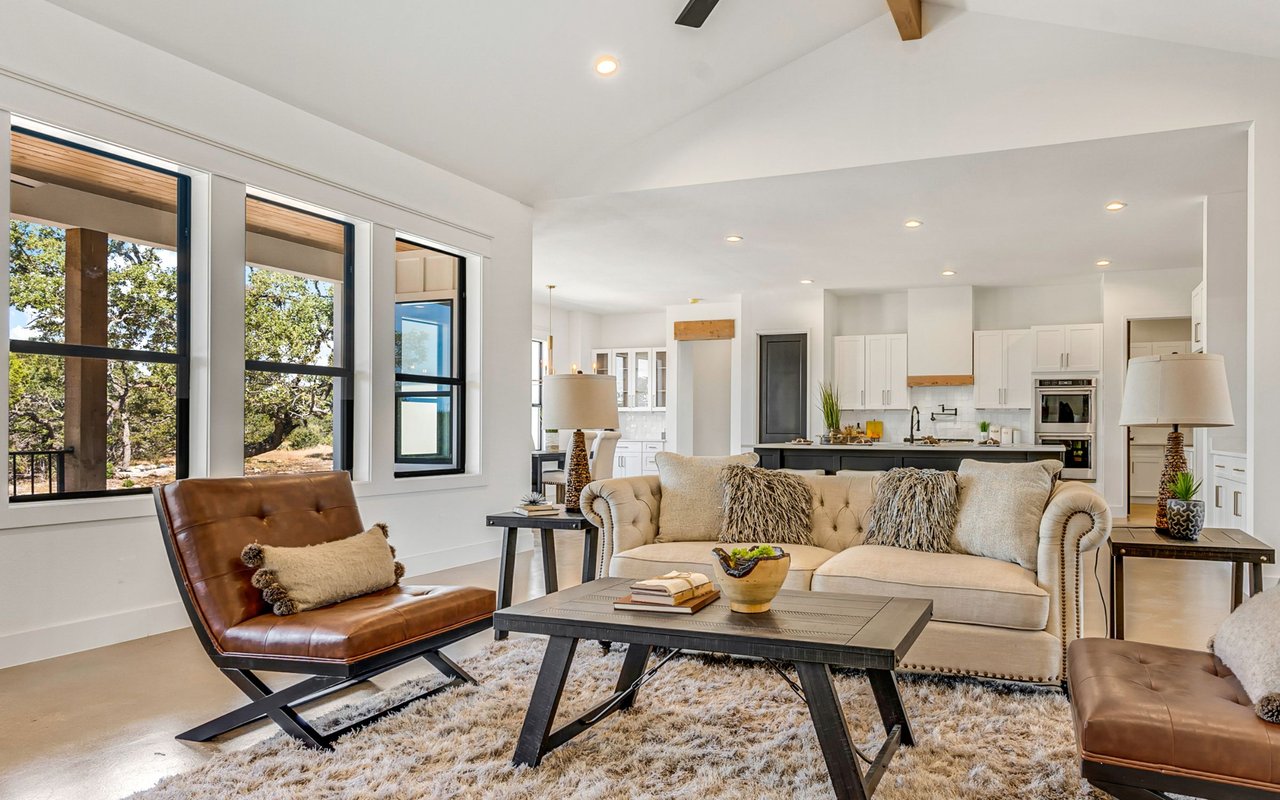
A home with a newer roof, updated flooring, refreshed paint, or improved outdoor space may justify a stronger price than a similar home that needs work. On the other hand, deferred maintenance can limit buyer interest and affect how aggressively you should price at launch.
In Clovis, buyers may also compare homes based on practical location and lifestyle factors. The City of Clovis highlights community anchors such as Cannon Air Force Base, Clovis Municipal Schools, Clovis Community College, downtown MainStreet, and local economic development hubs. That means commute patterns, access to daily services, and neighborhood identity can all influence how buyers view value.
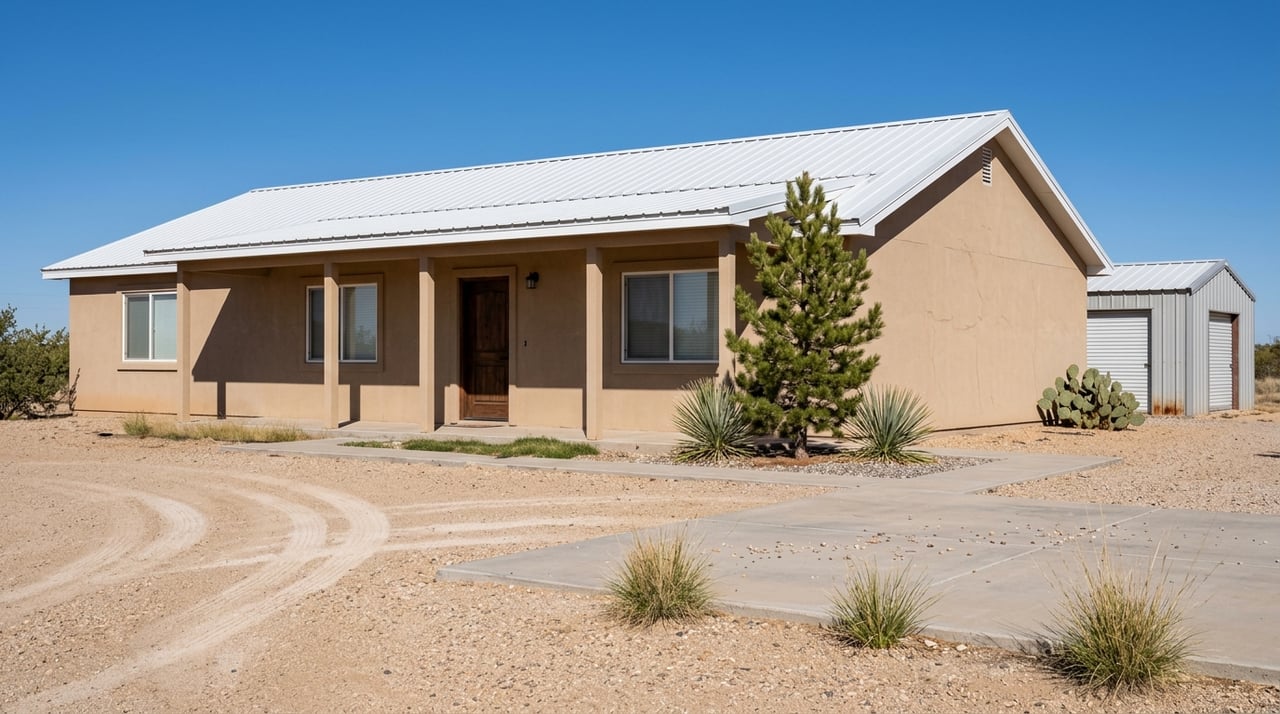
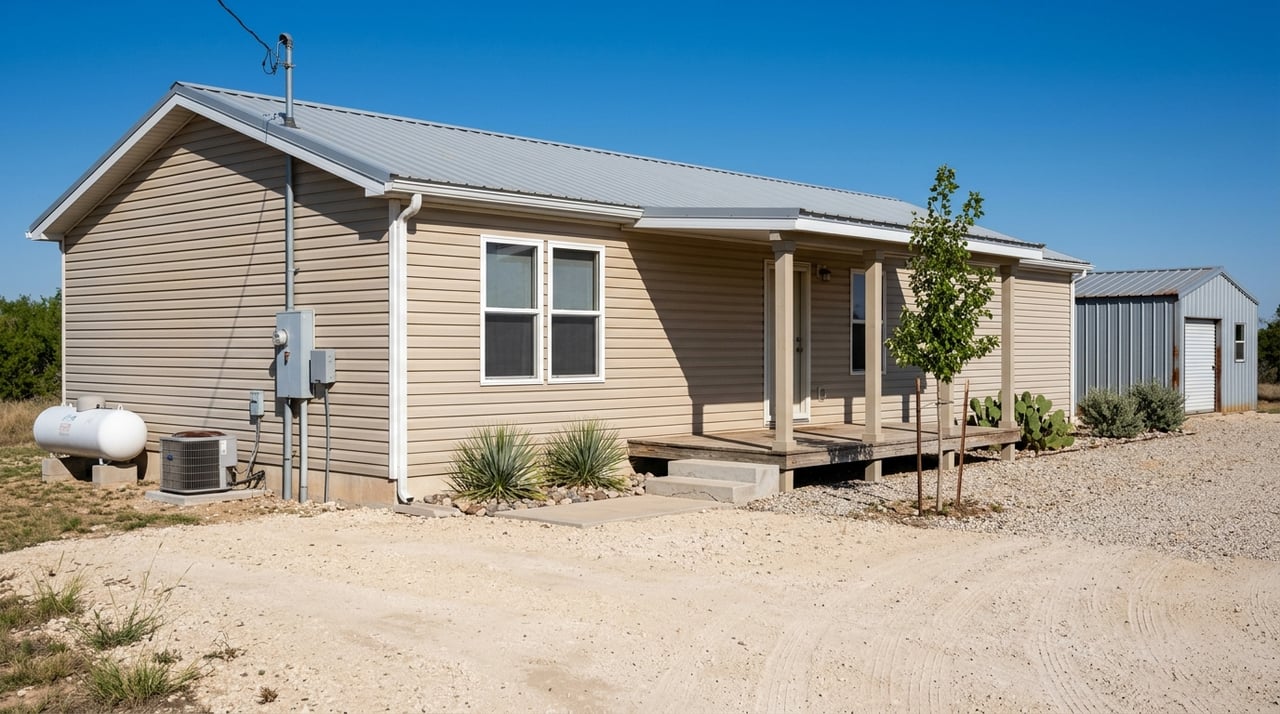
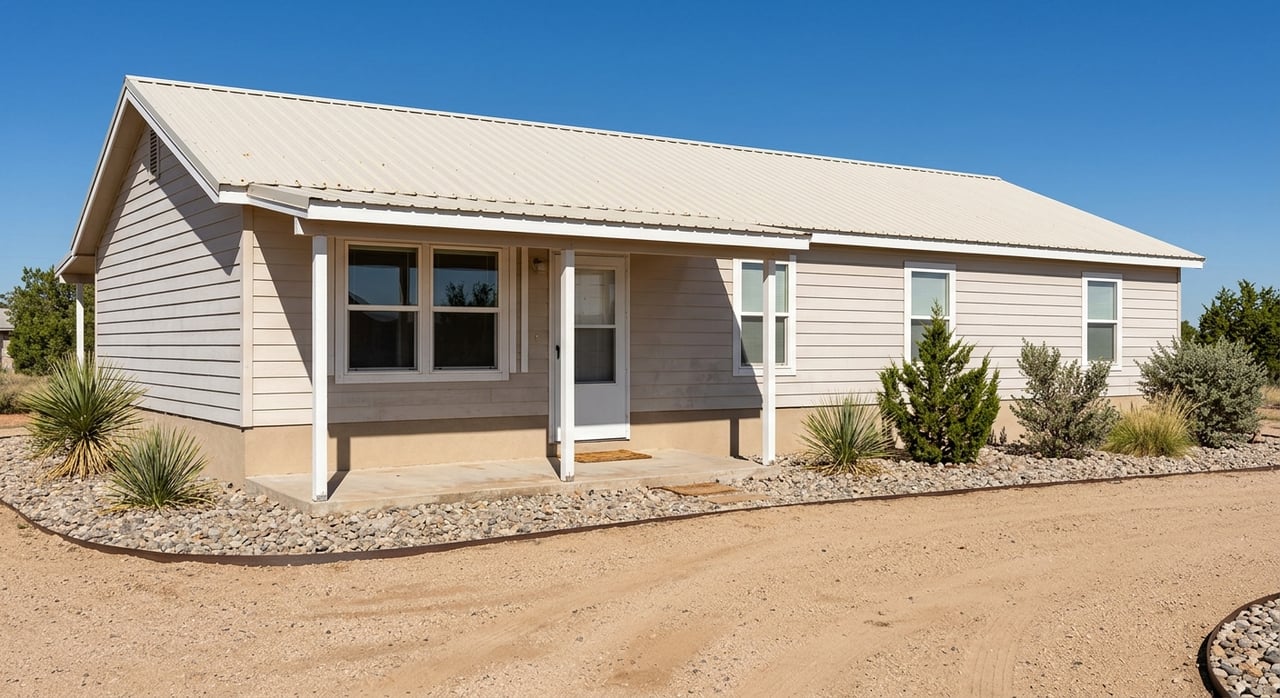
For rural properties, manufactured homes, or small acreage, pricing should also reflect what the property actually offers in usable terms. Shop space, fencing, access, layout, and land utility can all shape value when compared with similar listings.
Online home values can be helpful, but they should be a starting point, not your final answer. Zillow says its Zestimate uses public records, MLS data, and user-submitted information, and it also states clearly that a Zestimate is not an appraisal.
Zillow reports a nationwide median error rate of 1.74% for on-market homes and 7.20% for off-market homes. It also notes that accuracy depends on available data and that public records can lag behind what owners and agents know about a property. In other words, an online estimate may point you in the right direction, but it cannot fully account for your home's true condition, updates, or local competition.
Here is the practical difference:
If an appraisal comes in low, it can support renegotiation. That is one more reason to price thoughtfully from the start instead of aiming high and hoping the market catches up.
The right list price is not only about value. It is also about your goals.
If you want a faster sale, a more competitive launch price may help you draw stronger attention early. If your home truly stands out against nearby comps because of condition, features, or location, a higher asking price may make sense, but only if the market data supports it.
Before choosing a list price, think about:
In Clovis, that last question matters. Homes are already selling at about 2.38% to 2.6% below asking on average based on recent Realtor.com data. Buyers expect some negotiating room, so starting too high can reduce momentum before negotiations even begin.
It is easy to think that pricing high protects you. In reality, it can do the opposite.
NAR pricing data shows a broad pattern: homes on the market 0 to 14 days had average reductions of 4.9% from list to closing, while homes on the market more than 120 days averaged 13.8% reductions. The longer a home sits, the more buyers start to wonder what is wrong, even when the issue is simply price.
A stale listing can also weaken your negotiating position. Buyers may come in lower, ask for more concessions, or compare your home more critically if it has been sitting while newer listings enter the market.
The first few weeks matter most. If showings are light, online interest is weak, or buyer feedback keeps circling back to price, it may be time to adjust early.
A timely price improvement is often better than waiting until long market time forces a larger reduction. In a market where buyers have choices, early responsiveness can protect both interest and value.
A strong launch is usually the result of preparation, not guesswork. Before your home hits the market, it helps to build a pricing plan around real local data and your specific goals.
A practical pricing plan should include:
This kind of approach is especially useful in Clovis, where pricing can shift by neighborhood, property type, and condition. A careful strategy helps you avoid chasing the market later.
The goal is not just to put a number on your home. The goal is to position your home so buyers take it seriously.
When your price matches the market, buyers are more likely to schedule showings, make offers, and engage in cleaner negotiations. And because the highest offer is not always the strongest offer, attracting the right pool of buyers early can put you in a better position overall.
If you are thinking about selling in Clovis, the right pricing strategy can make the whole process smoother from the start. For local guidance, practical resources, and a clear pricing plan built around your property, reach out to Tammy Waters.
Explore additional posts offering valuable real estate guidance and local insight.
Partner with Tammy who's dedicated to providing clarity, care, and honesty throughout every step.
TAMMY WATERS
ADDRESS 400 PILE, SUITE 300 CLOVIS NM, 88101