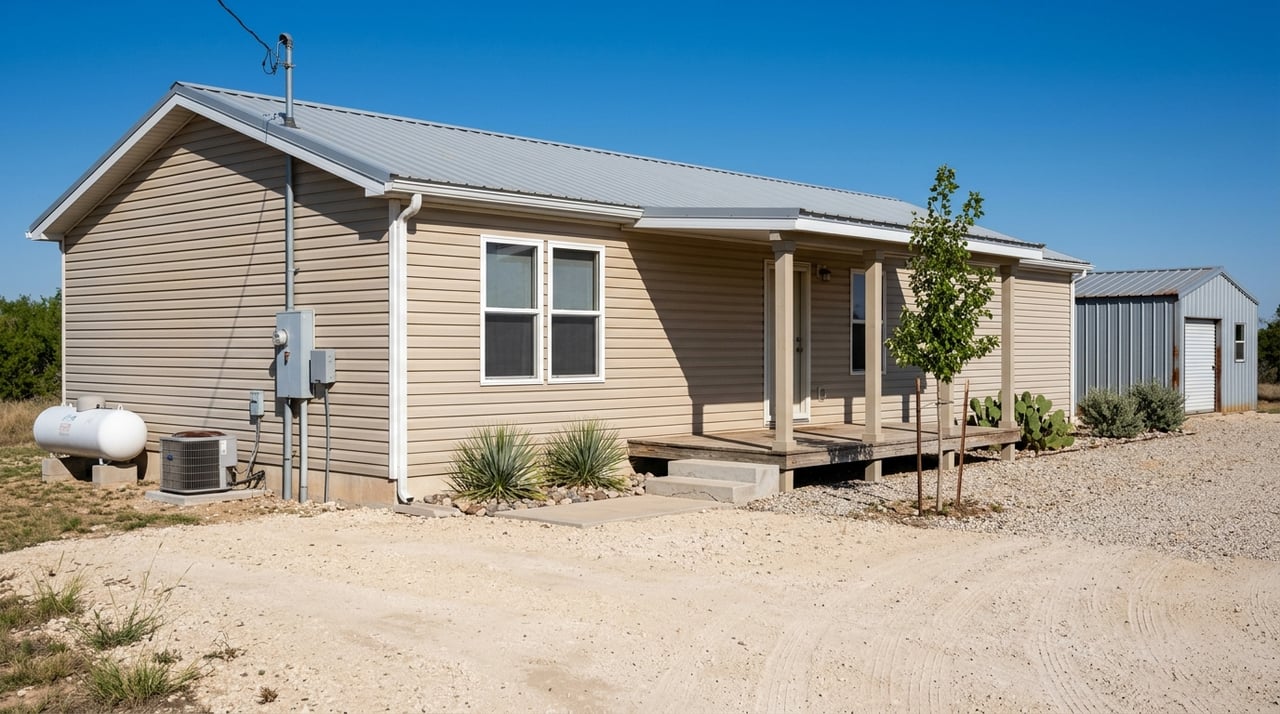
Texico NM Manufactured Homes Guide for Small Acreage
June 4, 2026
June 4, 2026
Buying a manufactured home on a little land around Texico can look simple at first. Then the real questions show up fast: Is the home personal property or real property? Is there a septic record? Does the parcel have legal access? If you are considering a manufactured home or small acreage purchase in Texico, this guide will help you focus on the details that matter most so you can move forward with more confidence. Let’s dive in.
Texico is an incorporated city in Curry County, and local records show that manufactured homes and rural property details are handled through several county and state offices. That matters because two properties that look similar on paper may have very different title, utility, and access situations.
In the Texico area, water service is one example. Curry County procurement records show engineering services were sought for Texico water-system infrastructure needs, so you should verify the actual water setup for the exact property instead of assuming every lot connects the same way.
A big first step is understanding how the home is classified. In Curry County, a manufactured home is generally treated as personal property unless it has been processed for permanent-foundation treatment.
That classification can affect taxes, financing, and how smoothly the sale moves. County materials also say manufactured homes should be reported annually for valuation by the end of February, and the assessor keeps records through a dedicated mobile home specialist.
HUD says manufactured homes built after June 15, 1976 must be certified to the federal Manufactured Home Construction and Safety Standards. These homes should carry a certification label, and buyers should also look for the data plate and confirm the build date.
If a seller cannot clearly document that the home is HUD-code certified, that can become a serious issue during financing or closing. It is one of the first items worth confirming before you get too far into a deal.
In New Mexico, a manufactured home can generally be converted to real property when it is placed on a permanent foundation and the tongue and axles are removed. The title should then be deactivated, and the home entered on the county books as real property.
New Mexico MVD also notes that lenders or title insurers may require the deactivated title before a sale or mortgage. In plain terms, title status is not just paperwork. It can shape what loan options are available and whether the transaction stays on track.
Financing for a manufactured home often depends on whether the home is still titled as personal property or has been converted to real property. That is why this issue deserves attention early, not right before closing.
CFPB says a home titled as personal property generally must be financed with a chattel loan, while land ownership can make mortgage financing possible. CFPB also reported that chattel loans make up a large share of manufactured-home purchase loans.
HUD says its Title I program can insure loans for a manufactured home, a manufactured-home lot, or both. HUD also says the site must have adequate water supply and sewage disposal facilities.
For FHA Title II financing, HUD guidance generally requires a home built after June 15, 1976 and placed on a permanent foundation. VA-backed purchase loans can be used to buy a manufactured home or lot, and USDA Rural Development offers direct and guaranteed home-loan programs in eligible rural areas, including cases where single-wide manufactured homes may qualify if program requirements are met.
When you buy a manufactured home with a few acres, the land itself can be just as important as the home. In many Texico-area transactions, the site is what determines whether the deal is practical, financeable, and ready to close.
New Mexico installation rules require site-plan review before installation. The site plan must show the home placement, property lines, zoning, septic, water, electrical, and gas details when applicable.
The same New Mexico rule expects the site to comply with local zoning and floodplain rules and to maintain positive drainage away from the home. That means the land must work physically, not just legally.
For buyers, this is a reminder to look beyond the square footage of the home. Drainage, setbacks, utility placement, and basic site layout can all affect cost and timing.
Curry County’s comprehensive plan says subdivision rules are intended to ensure adequate water, access, waste disposal, fire protection, and stormwater management in new subdivisions outside municipalities. Based on those local access and subdivision requirements, practical due diligence should include confirming legal access, road-maintenance responsibility, and whether a parcel split or recorded easement is needed for a driveway or utility route.
This is one of the most common rural-property trouble spots. A driveway you can physically use is not always the same as legal, recorded access.
A common mistake is treating utilities like one box to check. In reality, water and septic should each be verified on their own.
That matters even more on small acreage, where one property may be on city water, another may rely on a private well, and another may have a different arrangement entirely. You want records that match the actual setup on the ground.
The Office of the State Engineer says anyone wanting to use water in New Mexico must have a permit from the State Engineer, and the state reviews subdivision proposals for water demand and availability. For a Texico-area property, you should confirm whether the lot uses city water, a private well, or another source.
Then make sure the source lines up with the right permit or record. This is especially important in an area where utility assumptions can easily lead buyers in the wrong direction.
The New Mexico Environment Department regulates onsite wastewater systems statewide. Buyers can search existing septic permits through the Liquid Waste Bureau’s permit finder, and qualified homeowners may self-install only after meeting program requirements.
A missing septic record, or a permit that does not match the home, is a meaningful red flag. If the home has changed over time, you want to know whether the wastewater system records still fit the current use.
For Texico manufactured homes and acreage, many of the most important answers live in public records. Curry County Clerk records deeds, mortgages, agreements, and other permanent records, and the county says many records are subject to inspection under New Mexico public-record rules.
That makes the clerk’s office and assessor records key places to verify easements, liens, title history, and tax status. If questions come up about ownership, access, or a prior agreement, county records are often where the story becomes clearer.
Before you make an offer on a manufactured home or small acreage property in Texico, ask for clear answers to these items:
These are not minor details. In many transactions, they are the difference between a clean closing and a stalled deal.
If you are selling a Texico manufactured home or small-acreage property, good preparation can save time and reduce surprises. The strongest listings in this segment are usually the ones with organized paperwork.
Try to gather the title information, HUD certification details, foundation records, septic documentation, water-source information, and any access or easement records before your property hits the market. Buyers are more likely to move forward confidently when the file is complete and easy to understand.
Manufactured-home and acreage transactions are rarely just about the house. Around Texico, they often rise or fall on title status, installation records, water, septic, and access.
That is why practical local guidance matters so much. When you have someone helping you sort through county records, property setup, and transaction timing, it becomes easier to spot issues early and keep your move on track.
If you are buying or selling a manufactured home or small acreage in Texico or anywhere in Curry County, Tammy Waters can help you navigate the details and request your free buyer or seller packet.
Explore additional posts offering valuable real estate guidance and local insight.

Partner with Tammy who's dedicated to providing clarity, care, and honesty throughout every step.

TAMMY WATERS
ADDRESS 400 PILE, SUITE 300 CLOVIS NM, 88101