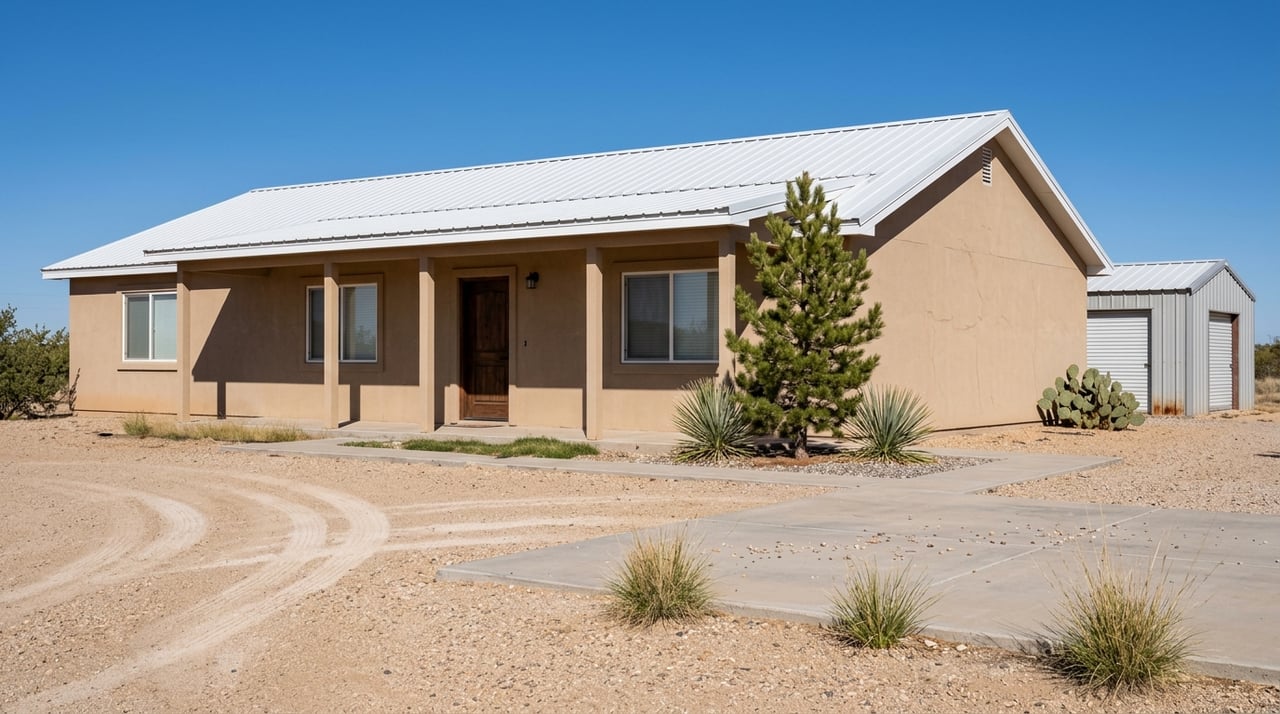
Portales In-Town vs Country Homes: What to Know
June 18, 2026
June 18, 2026
Wondering whether you should stay in town or look for more space outside Portales? That choice can shape your daily routine, your property upkeep, and even how you plan for water, roads, and emergency services. If you are weighing convenience against elbow room, this guide will help you compare the real tradeoffs so you can make a smart move with confidence. Let’s dive in.
When you compare in-town Portales with country living around Roosevelt County, the biggest difference is simple: city living usually means more built-in services, while rural living means more owner responsibility.
Inside Portales city limits, many everyday needs connect through city departments and nearby community resources. Outside town, you may gain land, flexibility, and room to spread out, but you also need to pay closer attention to wells, septic systems, road access, addressing, and fire conditions.
Neither option is automatically better. The right fit depends on how you want to live, how much property management you are comfortable with, and what matters most in your day-to-day routine.
For many buyers, in-town Portales offers a simpler setup. You are more likely to have city-managed utility service, sanitation service, and access to city emergency response without having to coordinate multiple systems on your own.
The City of Portales utility office handles water service setup and after-hours water emergencies. The city also operates a sanitation department, which can make daily living feel more straightforward if you prefer fewer moving parts.
The city resident information resources also point residents to Portales Municipal Schools, Eastern New Mexico University, Roosevelt General Hospital, and the farmers market. That makes in-town living a practical choice if you want shorter routine trips for school, healthcare, work, or errands.
Living in town may be a strong fit if you want:
For buyers who value predictability, that can be a major plus. You may spend less time thinking about infrastructure and more time settling into your home and routine.
In-town convenience does not mean no restrictions. As of June 2026, Portales remained under Modified Stage 2 Water Restrictions.
Those rules include a 30-minute-per-household weekly residential watering limit and odd/even watering windows. If you are picturing a large lawn or landscaping that needs frequent watering, this is an important factor to understand before you buy.
Water restrictions can influence:
If outdoor space matters to you, it helps to match your property choice with the city’s current watering rules and your comfort level with upkeep.
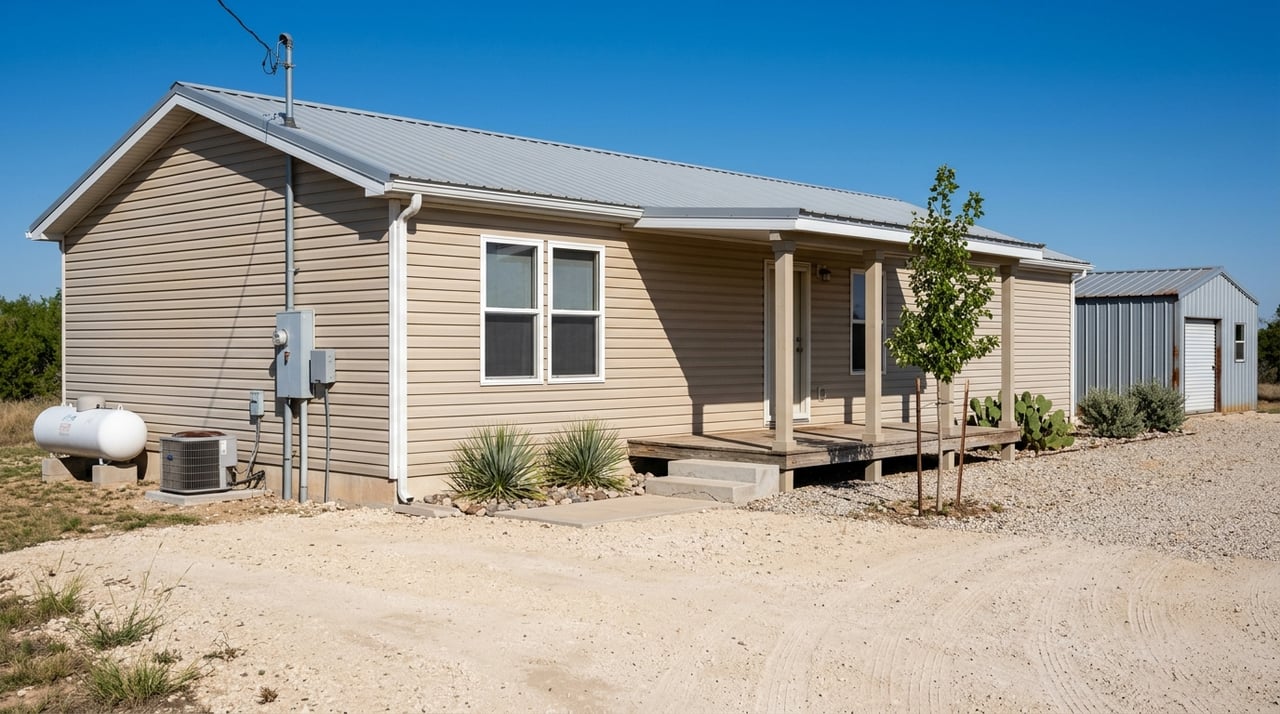
If your priority is land, privacy, workspace, or room for hobbies, country living around Portales may be the better fit. Rural properties can offer flexibility that is harder to find in town, especially if you want acreage, outbuildings, or space for equipment or animals.
That extra freedom comes with extra responsibility. In many rural areas, you will need to confirm how water is supplied, how wastewater is handled, who maintains the road, what address services are in place, and what fire coverage applies to the property.
For many buyers, that tradeoff is worth it. You may get the setting and space you want, but due diligence becomes even more important.
A country property can look perfect online, but access details matter just as much as the house or land. Roosevelt County’s road department maintains more than 1,210 miles of roadways, removes snow, helps local fire departments create fire lines, and gives school bus routes top priority.
That tells you two things. First, rural road systems are active and important. Second, commute reliability can still depend on the exact road, the weather, and how the property is reached from the main route.
Before you move forward on a rural property, ask:
This is one of the most important differences between a map search and real-life living.
Outside city service areas, private wells and onsite wastewater systems are often part of the package. In New Mexico, private wells are outside the Drinking Water Bureau’s regulatory authority, which means the owner is responsible for testing and maintenance.
The state recommends testing when buying a home and every spring after that. If a rural property uses a private well, water testing should be high on your due diligence list.
On the wastewater side, the New Mexico Environment Department regulates onsite wastewater systems. Properties with onsite liquid-waste systems must be evaluated during transfer, which makes septic condition and inspection history especially important when you are buying in the country.
If you are considering a country property near Portales, make sure you verify:
These are not small details. They directly affect cost, maintenance, and peace of mind.
Emergency service coverage can look very different in town versus the county. Inside Portales, the Portales Fire Department provides 24/7 emergency services.
In rural parts of Roosevelt County, service may come through volunteer fire and EMS districts, including areas such as Arch and Milnesand. That does not mean a property is a poor choice, but it does mean you should confirm which district covers the address and understand the response setup for that specific location.
Outdoor-use rules also matter. In 2026, New Mexico fire restrictions prohibited smoking, fireworks, campfires, and open burning on non-municipal lands unless an exception applied.
If you are buying land or a hobby-farm style property, ask how fire restrictions could affect:
It is much easier to plan well when you know the rules before closing.
For rural properties, a legal description alone is not enough for day-to-day living. Roosevelt County’s Rural Addressing department assigns current physical addresses, maintains road signs, and creates county maps that help emergency responders locate properties.
That means buyers should verify the exact assigned address, signage, and practical access to the homesite. Mailbox setup and emergency response clarity are important details, especially when a property sits outside town on larger acreage or less-traveled roads.
If you want a home base with easier access to daily services and fewer property systems to manage, in-town Portales may feel like the better match. If you want more land, flexibility, and room for projects or rural living, the county may offer what you are looking for.
The key is not choosing based on a label like “town” or “country.” The key is choosing based on your routine, your upkeep preferences, and the exact property details that will shape your life after move-in.
Whether you are leaning toward town or country, ask these questions early:
These questions can save you time, money, and frustration. They also help you compare homes based on real living conditions, not just price or square footage.
If you want help sorting through those details, working with a local broker who understands both in-town homes and rural property logistics can make the process much smoother. For practical guidance and local insight, reach out to Tammy Waters.
Explore additional posts offering valuable real estate guidance and local insight.
Partner with Tammy who's dedicated to providing clarity, care, and honesty throughout every step.
TAMMY WATERS
ADDRESS 400 PILE, SUITE 300 CLOVIS NM, 88101