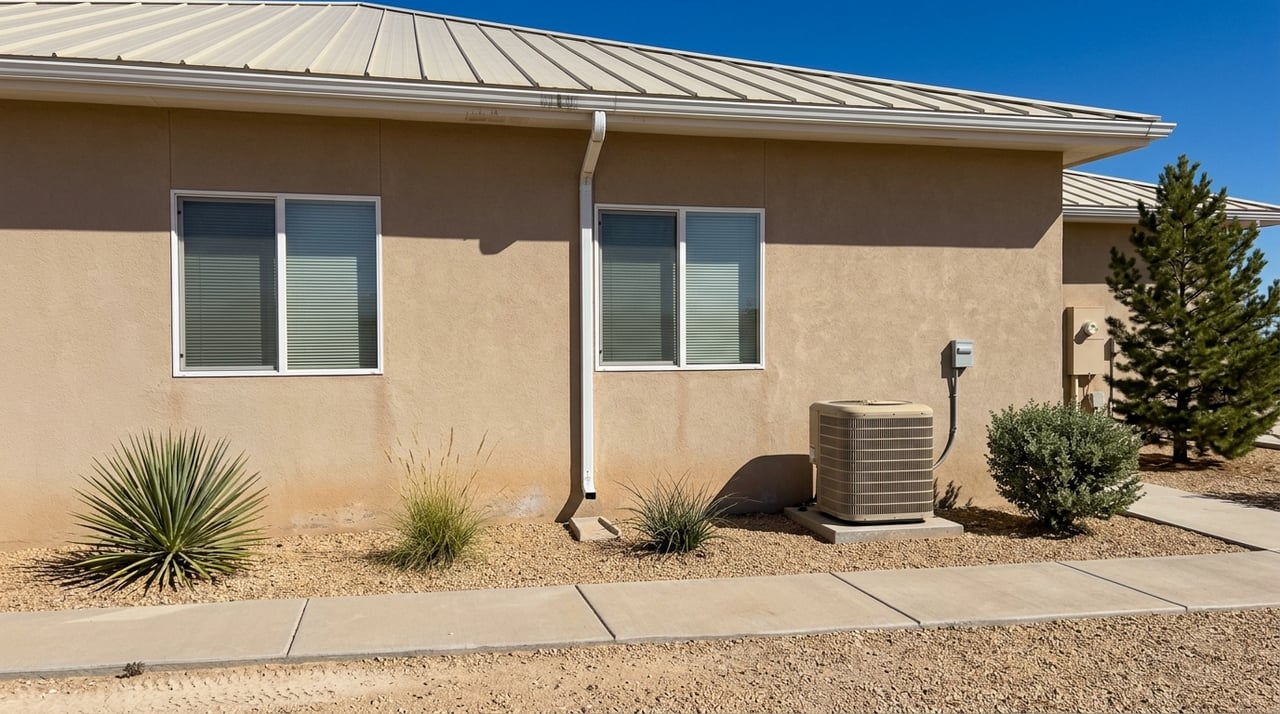
Getting Your Texico Home Ready For Appraisal And Inspection
June 25, 2026
June 25, 2026
If you are getting ready to sell your home in Texico, one of the most stressful moments can be waiting on the appraisal and inspection. You want the process to move forward smoothly, avoid last-minute surprises, and protect your deal. The good news is that a little planning can go a long way, especially in a market where homes may range from in-town properties on city utilities to rural homes with wells, septic systems, or acreage. Let’s dive in.
An appraisal and a home inspection are not the same thing, and it helps to prepare for each one with that in mind. In New Mexico, appraisers and home inspectors are regulated by separate state boards, which is a good reminder that they have different jobs.
An appraisal is an independent opinion of value. The appraiser looks at your home’s features, condition, and visible issues, then compares it with similar properties. For homes in and around Texico, that can be especially important when the property is rural, has acreage, or is otherwise less standard, because the pool of comparable sales may be smaller.
A home inspection is a visual, non-invasive review of the home’s structure and major systems. That usually includes the roof, HVAC, plumbing, electrical, attic, insulation, walls, doors, windows, foundation, basement if there is one, and other structural components. If a buyer’s contract includes an inspection contingency, inspection findings can lead to repair requests, renegotiation, or even cancellation.
The biggest prep mistake sellers make is assuming cosmetic touch-ups are enough. Cleanliness helps, but what matters most is the visible condition of the home and whether key systems appear safe and functional.
Before the appraisal or inspection, pay close attention to issues like active leaks, roof damage, plumbing problems, electrical concerns, heating or cooling systems that do not work properly, broken windows or doors, unsafe stairs or railings, and signs of moisture intrusion or deterioration. These are the types of issues that can raise red flags for both professionals.
If you already know about a problem, it is usually better to address it early if possible. Delaying repairs can create a longer list of concerns once the buyer’s inspection happens, and visible defects can also affect how an appraiser evaluates condition.
One of the best ways to get ahead of problems is to walk through your home like a buyer would. Slow down and look for anything that appears broken, worn out, unsafe, or unfinished.
Check basic items such as:
For rural properties, also look at outbuildings, barns, fencing, driveways, gates, and utility areas. If those features are part of the property’s value or day-to-day function, their visible condition matters too.
If you want more clarity before buyers begin touring your home, a pre-listing inspection can be a smart step. A seller-ordered inspection can help identify major defects in advance, which gives you more time to decide what to repair and what to disclose.
This can be especially helpful if your home is older, has had deferred maintenance, or includes features that buyers may question, such as a septic system, private well, shop, or manufactured home components. In a small market like Texico, reducing surprises can make the sale feel more controlled and less reactive.
Condition is only part of the story. Good records can help support your home’s upkeep and make the process easier for everyone involved.
Pull together documents for major work and routine service, including:
If you fixed a past issue, keep proof of what was done. A repaired problem with paperwork is often easier to discuss than an unexplained issue with no documentation.
Around Texico, some properties are on city services and others are not. If your property has a private well or septic system, your prep should include records for both.
For private wells, the New Mexico Department of Health says owners are responsible for periodic water testing. If you have test results, maintenance notes, or repair records, keep them in your file.
For septic systems, EPA guidance recommends regular inspection and pumping, along with keeping service records. If your tank has been pumped, repaired, or inspected, have those reports ready. Service reports that note repairs completed and tank condition can be especially useful.
If your home was built before 1978, there is an important extra step. Federal law requires sellers to disclose known lead-based paint or lead hazards, share available records and reports, provide the EPA pamphlet, and allow a 10-day period for lead inspection or risk assessment unless that timing is waived.
For older homes in Texico, this means you should gather any prior lead testing or mitigation records before buyers get deep into the process. Having those documents ready helps keep the transaction organized and avoids scrambling later.
Rural and acreage properties often need more than standard home records. If your property includes land, nonstandard access, private utility arrangements, or subdivision-related details, buyers may need information beyond the house itself.
New Mexico disclosure law may require information for certain subdivision or rural-lot transactions related to public utilities, water availability, liquid waste disposal, access, and road-maintenance responsibility. That means it is wise to collect items like:
These details can be just as important as the home’s condition, especially when a buyer is trying to understand how the property functions day to day.
If your home is on city services, take a few simple steps before the appointment. Texico provides municipal water, sewer, and garbage services, so it is smart to confirm account status and make sure access points are easy to reach.
Clear around meters, utility connections, crawlspace entries, water heaters, electrical panels, and attic access. Inspectors and appraisers do not want to move stored items to do their jobs, and blocked access can slow the process down.
Small data errors can create unnecessary confusion. Before the appraisal or inspection, verify the property’s parcel information and basic details.
Curry County offers a parcel lookup tool that can help confirm parcel identifiers and property data. This is especially useful if you own multiple lots, have acreage, or know the property has had boundary, address, or legal-description questions in the past.
Once repairs and paperwork are underway, think about logistics. Your goal is to make it simple for the appraiser and inspector to move through the property without delays.
A few practical steps can help:
If the property includes a shop, barn, pump house, or other secondary structure, make sure those spaces are accessible too.
Many sellers hope appraisal and inspection are quick formalities. Sometimes they are, but not always. If an appraisal comes in below the contract price, the buyer may try to renegotiate or cancel depending on the contract and circumstances.
That is why your best leverage usually comes before the visit, not after. Handling visible issues, gathering records, and preparing access gives your sale the best chance to stay on track.
If you want to stay organized, create one folder with everything in it. This can save time and reduce stress once your home goes under contract.
Your seller prep file may include:
In New Mexico, the seller or seller’s broker must request the county assessor’s estimated property-tax levy and provide it to the buyer or buyer’s broker before an offer is accepted. Keeping that with your prep materials can help the transaction move more smoothly.
Texico-area homes do not all fit the same mold. Some are straightforward in-town properties, while others include land, outbuildings, private systems, or unique access considerations. The right prep depends on the type of property you are selling and the condition it is in today.
That is where practical, local guidance can make a real difference. When you know what buyers, inspectors, and appraisers are likely to focus on, you can prepare with purpose instead of guessing.
If you are getting ready to sell in Texico or anywhere in Curry County, Tammy Waters can help you build a smart plan, organize the right details, and move forward with confidence.
Explore additional posts offering valuable real estate guidance and local insight.

Partner with Tammy who's dedicated to providing clarity, care, and honesty throughout every step.

TAMMY WATERS
ADDRESS 400 PILE, SUITE 300 CLOVIS NM, 88101