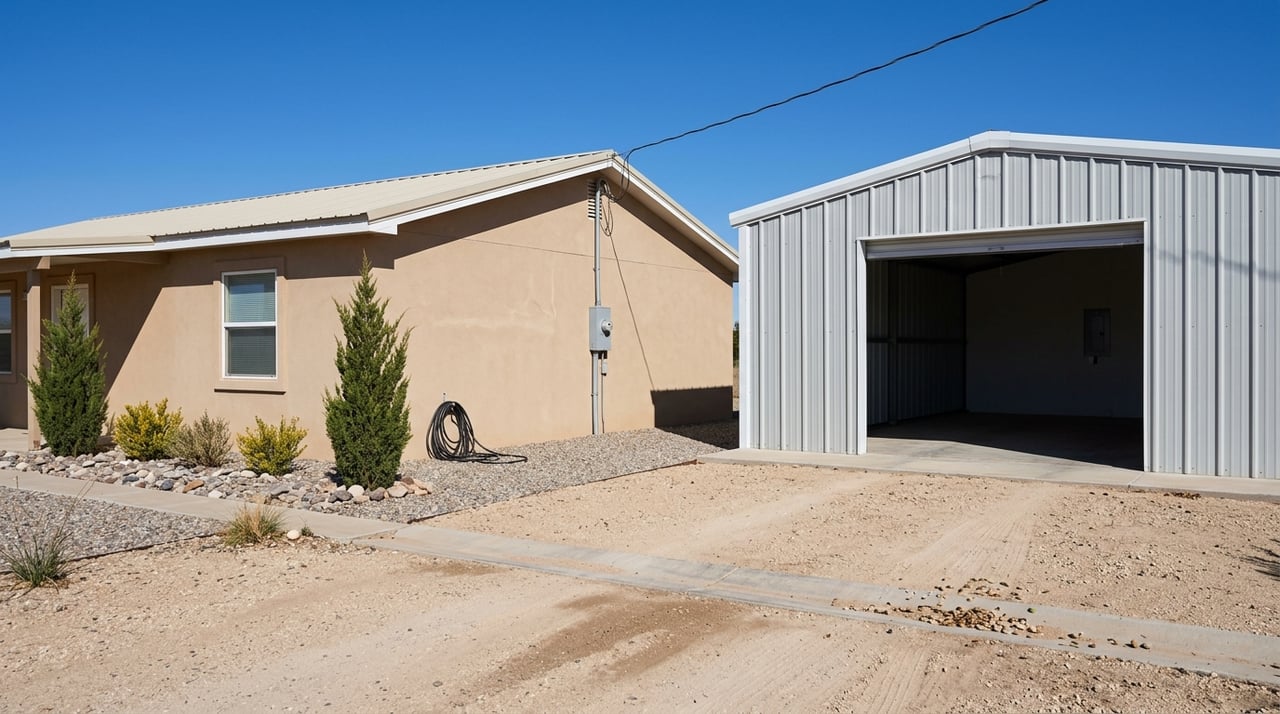
Buying Small Acreage Near Texico NM
April 9, 2026
April 9, 2026
If you are shopping for small acreage near Texico, the land itself is only part of the decision. A parcel can look perfect on a listing sheet, but the real test is whether access, water, wastewater, and day-to-day upkeep actually work for the way you plan to use it. This guide walks you through what to verify before you buy so you can move forward with more confidence. Let’s dive in.
Texico sits in eastern Curry County along the Texas-New Mexico line and near U.S. 60/70/84. That location can make rural property appealing, but it also means each parcel may have a different setup for utilities and access.
According to the City of Texico, some properties may fall within municipal service areas, while others may not. The practical takeaway is simple: when you buy small acreage near Texico, you need to verify each property one parcel at a time rather than assume every nearby tract works the same way.
One of the first questions to ask is whether the property is inside Texico city limits or in unincorporated Curry County. That single detail can affect how you investigate water, sewer, road access, and permits.
The City of Texico website lists utility contacts, including city staff for water and sewer questions. If the parcel is outside city service, you will likely need to confirm whether it uses private systems instead.
With small acreage, access is not just about whether you can physically drive to the property. You also need to know who maintains the road frontage, whether there is a recorded access easement, and whether the entrance is already approved.
The Curry County Road Department maintains 1,355 miles of road and provides applications for property entrances, cross-cuts, and cattle guards. That matters because driveway access on rural land may require county approval and may create an ongoing maintenance responsibility for the owner.
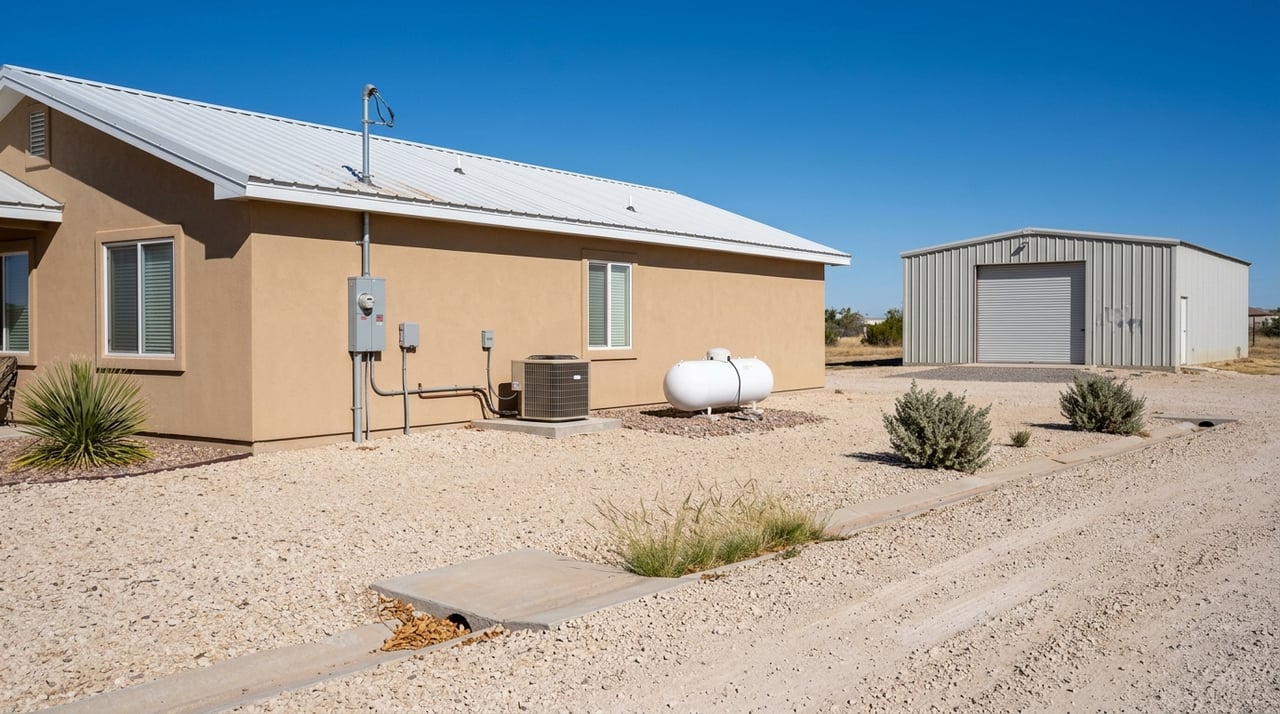
Curry County’s entrance permit form says the applicant buys the culvert, the county installs the entrance initially, and the owner is responsible for maintaining the entrance and keeping the culvert clean afterward. The form also notes that culverts are generally at least 24 inches in diameter unless the road superintendent approves otherwise.
For you as a buyer, that means an existing entrance should never be treated as a minor detail. Ask whether there is documentation showing the driveway or culvert was approved, and confirm who will be responsible for future maintenance.
If the property has fenced areas or you plan to fence it later, road crossings can become part of the access conversation. Curry County’s road department also provides a cattle guard application, which is a good reminder that fence crossings are formal road issues, not just private improvements.
If a listing includes gates, frontage fencing, or a drive-through setup, ask for copies of any related county approvals before closing.
Water is one of the biggest due diligence items on rural acreage. A parcel near Texico may be served by municipal water, a private well, or another arrangement, and each option should be confirmed with records.
The Office of the State Engineer says a permit is required before drilling a well, and well construction is regulated by the state. Its guidance also explains that domestic use includes household use, watering domesticated animals for noncommercial purposes, and irrigating noncommercial lawn, garden, trees, or landscaping up to one acre.
If the property uses a private well, ask for:
The state also notes that permits may be issued for livestock use. If your plans include animals, it is smart to confirm that the property’s water setup fits how you expect to use the land.
Even when a well is already in place, testing is worth your attention. New Mexico Environment Department offers free testing for private domestic wells for nitrate, iron, and fluoride.
That can give you useful information before closing, especially if you are comparing several properties with private water sources.
For rural buyers, septic should be a core file item, not an afterthought. If the property uses an on-site wastewater system, you want to know whether it was permitted, where it is located, and whether it has been evaluated for transfer.
The New Mexico Environment Department property transfer evaluation page says that before the transfer of a property with an established on-site liquid waste system, the system must be evaluated. The agency also notes that a permit search can take up to 10 days, and if no valid permit can be found, an unpermitted system may need registration or permitting.
NMED says permit applications may need:
Because of that, septic records should be reviewed early in the buying process. If documents are missing, resolving the issue can affect your timeline.
Before closing on acreage, it helps to confirm exactly what you are buying on paper. The Curry County Assessor’s Office maintains digital parcel maps that track ownership, land splits, and subdivisions.
The assessor also states that Curry County is divided into four school and tax districts, including Texico. For buyers, that means you should verify the parcel’s district and compare it to the legal description and tax records in your file.
Small acreage often attracts buyers who want room for a shop, garden, hobby animals, or a quieter rural setup. That can work well, but the property needs to support that use in practical ways.
Based on the state and county guidance in the research, the big picture is that water, wastewater, fencing, and access should all work together. If you are thinking about animals or heavier day-to-day use, check whether the road setup, well permit, septic capacity, and fencing plans line up before you commit.
One of the best ways to avoid surprises is to gather the right documents before closing. The most useful file set for a Texico-area acreage purchase includes records that support access, utilities, boundaries, and taxes.
Here is a strong checklist to use as you tour and compare properties:
The county’s published buyer-oriented checklist and permitting materials support this kind of paper trail because those are the same types of records agencies use when reviewing roads, wastewater systems, well issues, and parcel information.
When you walk a small-acreage property near Texico, bring a simple set of questions with you. That makes it easier to compare one parcel to another and spot missing information early.
Use this quick tour checklist:
Buying rural property usually involves more moving parts than buying a typical in-town home. You are not only looking at the house or acreage size. You are also reviewing access, utility records, permits, and how the property will function after closing.
That is where local experience can save you time. When you work with a broker who understands Curry County acreage, you can ask better questions sooner and focus on properties that fit your goals in real life, not just on paper.
If you are thinking about buying small acreage near Texico, Tammy Waters can help you sort through the details, compare properties, and request your free buyer packet so you can move forward with a clear plan.
Explore additional posts offering valuable real estate guidance and local insight.

Partner with Tammy who's dedicated to providing clarity, care, and honesty throughout every step.

TAMMY WATERS
ADDRESS 400 PILE, SUITE 300 CLOVIS NM, 88101