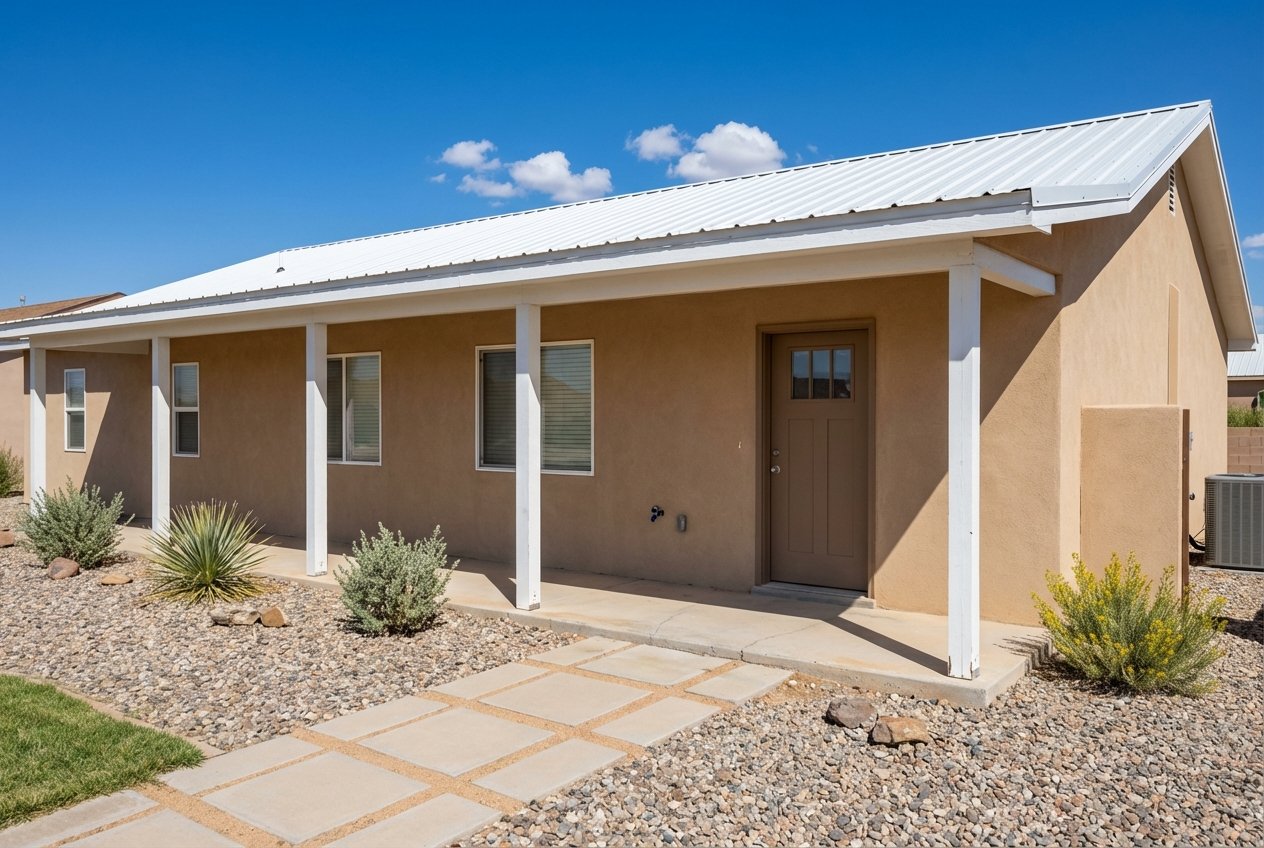
Sell a Home in Clovis, NM With a Confident Plan
February 26, 2026
February 26, 2026
Thinking about selling your home in Clovis but not sure where to start? You are not alone. Between timing your move, setting the right price, and handling New Mexico’s paperwork, there is a lot to juggle. This guide gives you a simple, local plan you can follow with confidence, including market timing, legal must-knows, smart prep, and a clear path from listing to close. Let’s dive in.
Clovis is a steady, affordable market with unique rhythms. Recent vendor snapshots place the median sale and list prices roughly in the 215,000 to 235,000 dollar range, with typical days on market in the 70 to 80 day range (Redfin, January 2026). In practical terms, you should plan for a 6 to 12 week window to receive an offer in a typical month. Your price and your home’s condition will drive whether you are on the fast or slow end of that range.
Cannon Air Force Base is a major driver of local demand. Permanent change of station cycles can create spikes in buyer activity as units transfer in or out. You can learn more about the base and its housing context from the Cannon AFB installation overview. Local healthcare, schools, agricultural processors, and nearby ENMU in Portales also bring a mix of owner-occupant and investor buyers.
New Mexico emphasizes disclosure of known adverse material facts. A state-specific step is the requirement to give prospective buyers an estimated property tax levy based on the listed price. The seller or seller’s broker requests this estimate from the county assessor and shares it with buyers before contracting. You can read a clear overview of these obligations in Nolo’s guide to selling a New Mexico home and see standard NMAR forms referenced here: NMAR forms resources.
To request the estimate in Curry County or to ask about exemptions and mill rates, start with the Curry County Assessor.
For ad valorem taxes, New Mexico counties use a taxable value equal to one-third of the appraised value, less exemptions. Mill rates and levies are applied to that taxable value to calculate your bill. At closing, property taxes are typically prorated between buyer and seller based on the closing date. For current levies and proration questions, contact the Curry County Assessor.
Local custom often has sellers pay the listing-side commission and the owner’s title policy, though every item is negotiable. Industry summaries place typical seller-side costs in the single-digit to low double-digit percentage range of the sale price. As an example only (January 2026): on a 220,000 dollar sale, a 6 percent total commission would be 13,200 dollars, plus title and escrow fees, tax prorations, and any agreed credits. Review New Mexico seller costs here: closing cost overview. Always ask your broker and title company for a written estimate before listing.
With many military buyers in the area, expect VA financing to be common. Lender guidance in 2024 to 2025 indicates VA-guaranteed loans require wood-destroying insect (termite) inspections in many states, including New Mexico in current guidance. Read more about what that means here: VA loan termite inspection basics. If your home was built before 1978, federal lead-based paint disclosures apply. Plan to complete the required forms and share the EPA/HUD pamphlet with buyers.
A seller-paid pre-listing inspection can surface issues early, reduce renegotiation, and speed escrow. In Clovis, consider a general home inspection plus targeted checks like roof certification and WDI. Older homes or homes with large trees may also benefit from a sewer scope. Learn more about the benefits from the American Society of Home Inspectors: pre-listing inspection guide.
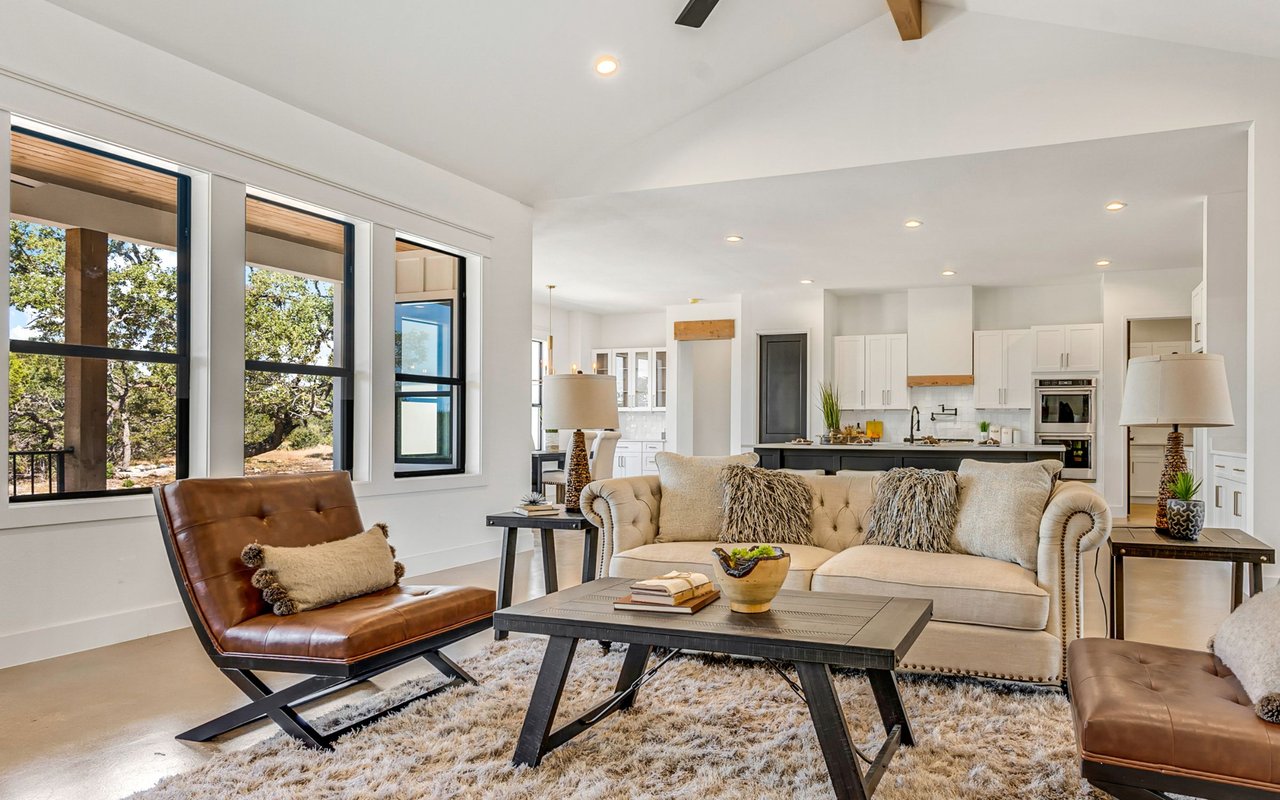
Targeted staging of the living room, kitchen, and primary bedroom helps buyers connect with the space and can reduce days on market. Pair staging with professional photography and, when appropriate, a virtual tour. See what agents report in the NAR home staging resources.
Focus on safety, function, and curb appeal. Fresh paint, minor plumbing or electrical repairs, fixing broken windows, and simple landscaping cleanup go a long way. For larger items, get bids and weigh the cost of repairs against likely buyer credits. In smaller markets, expensive renovations rarely return full value, so keep it practical.
Your comparative market analysis should review recent solds, active competition, and expired listings around your location and property type. Use your CMA to set a pricing window that reflects condition and timing. Plan a 2 to 3 week feedback check after launch: if showings are light or feedback points to price, adjust your pricing or marketing.
A comprehensive plan in Clovis includes:
A broker-led team can also coordinate vendor scheduling, request and deliver the assessor’s tax-levy estimate to buyers, and track escrow tasks so you stay on schedule.
Before each showing:
For open houses, use a sign-in sheet and consider two-person staffing for vacant homes. Your agent should perform a quick sweep before and after the event to ensure doors and windows are secured and nothing is missing. When in doubt, limit access to storage areas and keep keys, remotes, and documents out of view.
Every sale is unique, but here is a common timeline in Clovis:
Assume a 220,000 dollar sale price. Your numbers will vary.
In this illustration, your estimated net before mortgage payoff might land near 203,000 dollars. Always request a written estimate from your broker and title company before you list.
Selling in a smaller market works best with a plan tailored to local demand, clear communication, and steady coordination. If you want hands-on guidance, vendor scheduling, military outreach, and step-by-step support from listing to close, reach out to Tammy Waters. Se habla español. Request your free seller packet and let’s map your best path forward.
Explore additional posts offering valuable real estate guidance and local insight.
Partner with Tammy who's dedicated to providing clarity, care, and honesty throughout every step.
TAMMY WATERS
ADDRESS 400 PILE, SUITE 300 CLOVIS NM, 88101