Leave a Message

By providing your contact information to Tammy Waters, your personal information will be processed in accordance with Tammy Waters's Privacy Policy. By checking the box(es) below, you consent to receive communications regarding your real estate inquiries and related marketing and promotional updates in the manner selected by you. For SMS text messages, message frequency varies. Message and data rates may apply. You may opt out of receiving further communications from Tammy Waters at any time. To opt out of receiving SMS text messages, reply STOP to unsubscribe.

Thank you for your message. We will be in touch with you shortly.

Clovis Home Styles: In-Town Lots And Small Acreage

February 12, 2026

Craving more space or a shorter commute? In Clovis, you can have either an in-town lot close to daily essentials or a small-acreage property with room for hobbies and animals. Choosing between them is more than a price question. It affects your utilities, permits, insurance, and weekend workload. In this guide, you will learn the real tradeoffs, what to verify before you buy, and how to match each option to your lifestyle. Let’s dive in.

Who chooses what in Clovis

Clovis serves as the regional hub for eastern New Mexico, with Cannon Air Force Base and agriculture shaping local housing needs. Many buyers prefer in-town homes for shorter commutes, municipal services, and easy access to schools, healthcare, and shopping. Others prefer small acreage for animals, equipment, a workshop, or privacy.

Your best fit often depends on how you weigh daily convenience against space and flexibility. It also depends on the rules and services that come with each location inside or outside city limits.

In-town living: what to expect

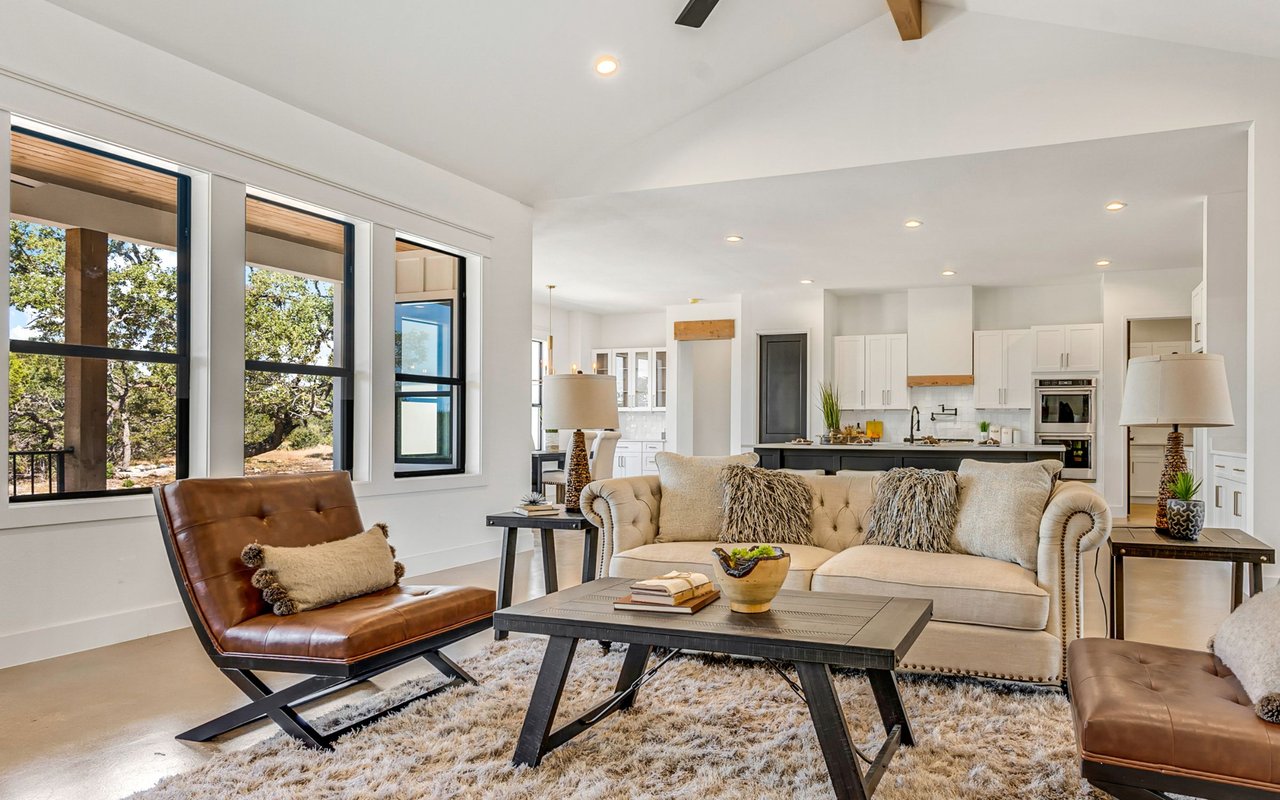
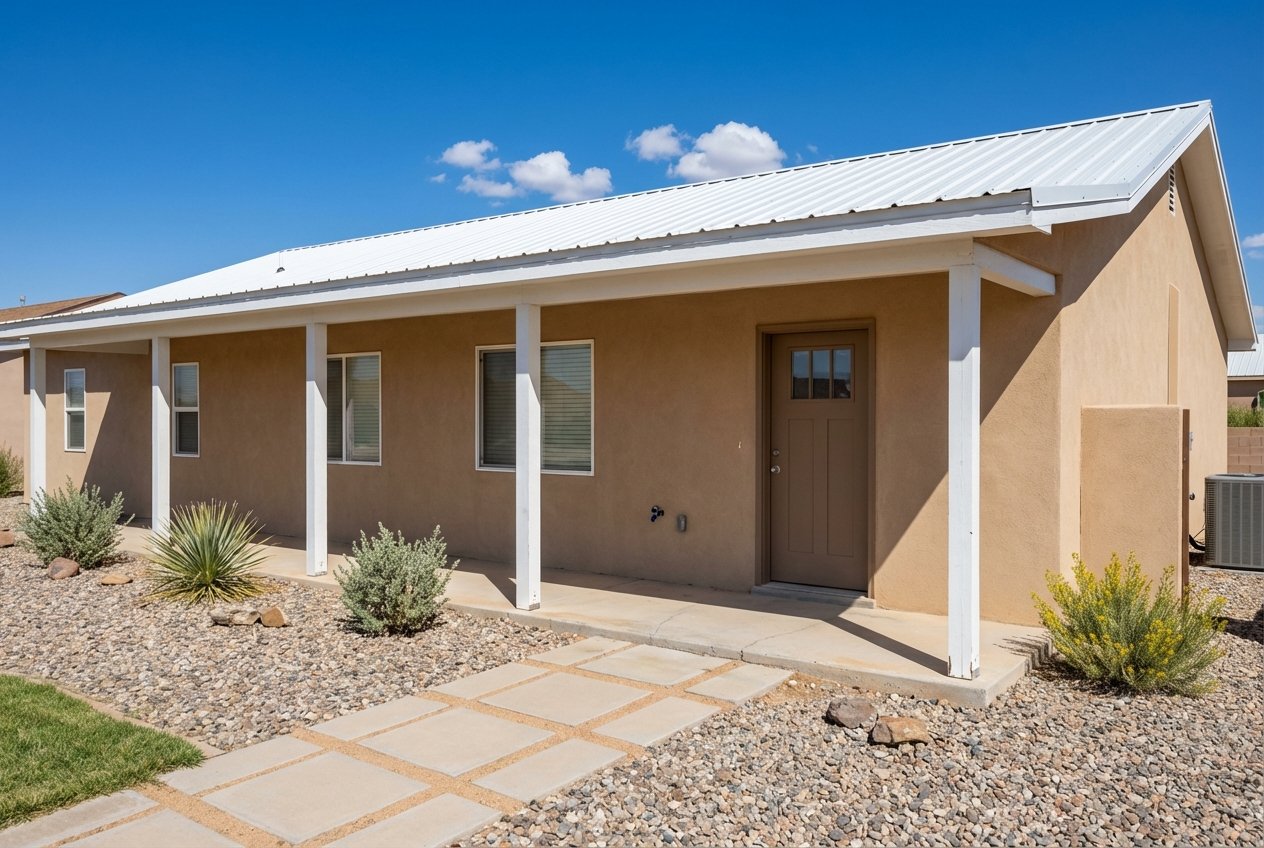
In-town homes in Clovis usually sit on smaller city lots and connect to municipal water and sewer. You often see sidewalks, street lighting, and quicker access to city services, clinics, and stores.

Key benefits include:

  • Municipal utilities for water and sewer, and often natural gas.
  • Shorter commutes to employers and Cannon AFB.
  • Lower maintenance outside of routine yard care and home upkeep.

In-town tradeoffs

City zoning and some HOA covenants can limit livestock, accessory buildings, or certain business uses. Lot sizes support typical landscaping and small gardens, not larger barns or heavy equipment storage. You also have defined setbacks, street access rules, and building permit requirements for additions or outbuildings.

Small acreage: space and responsibility

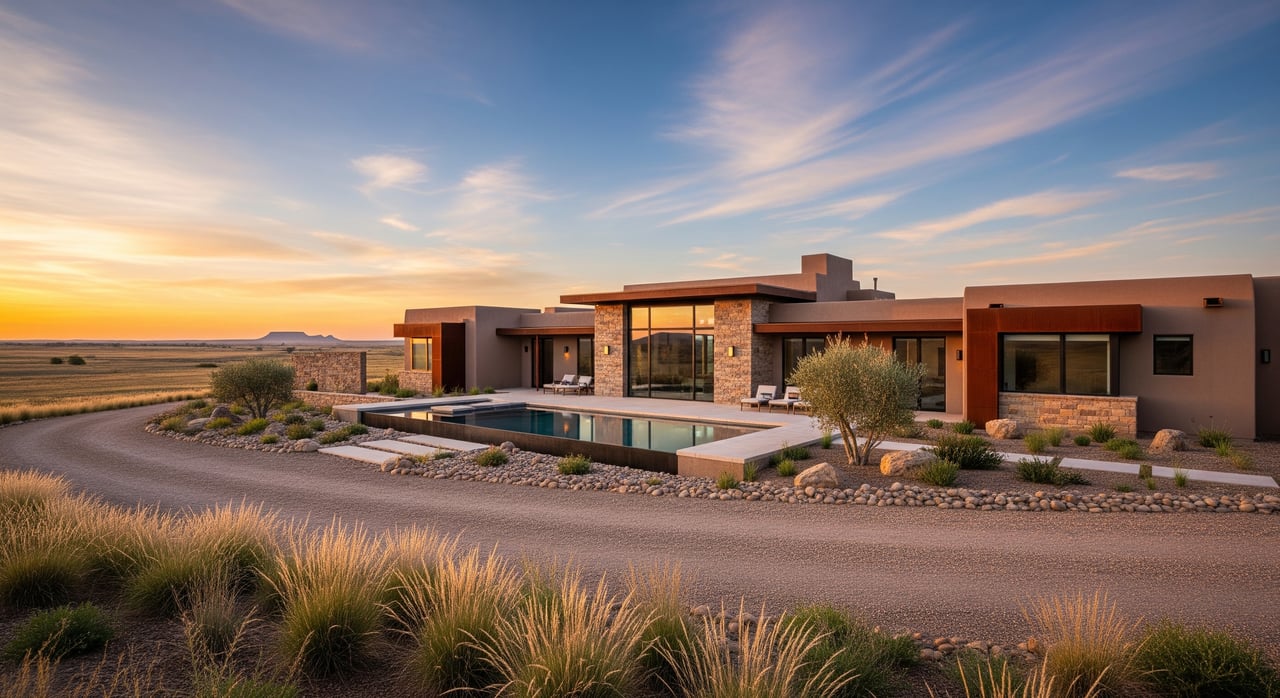
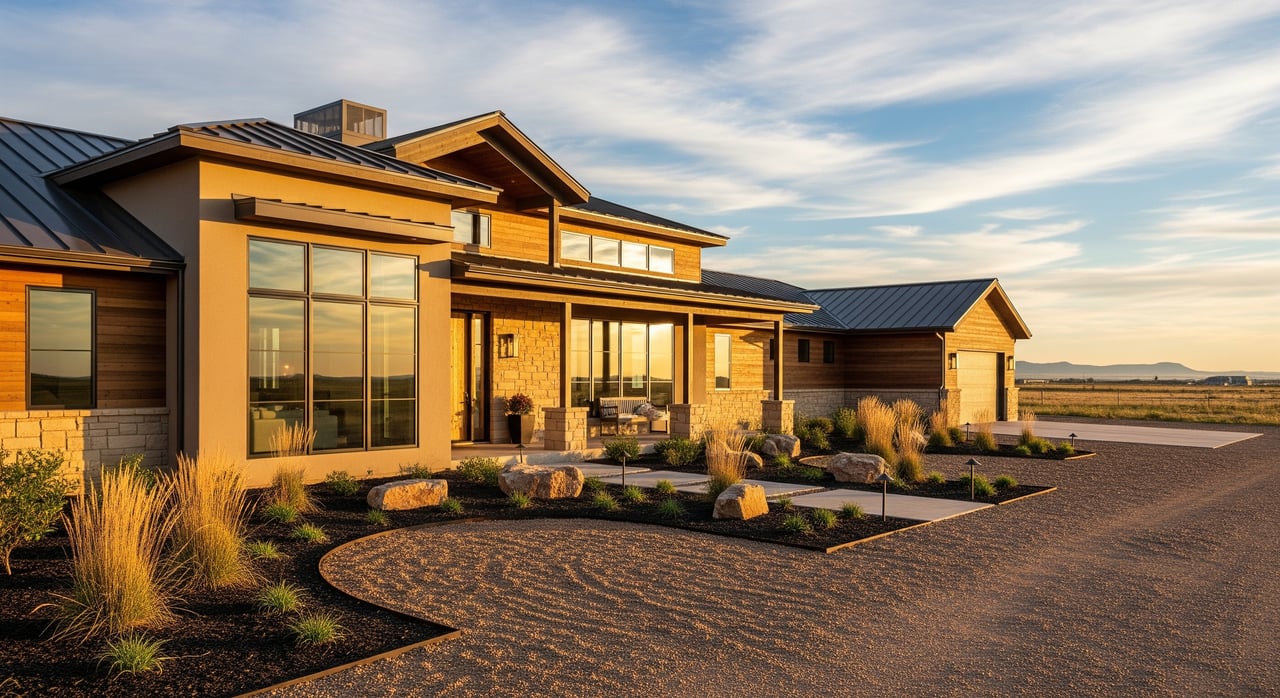
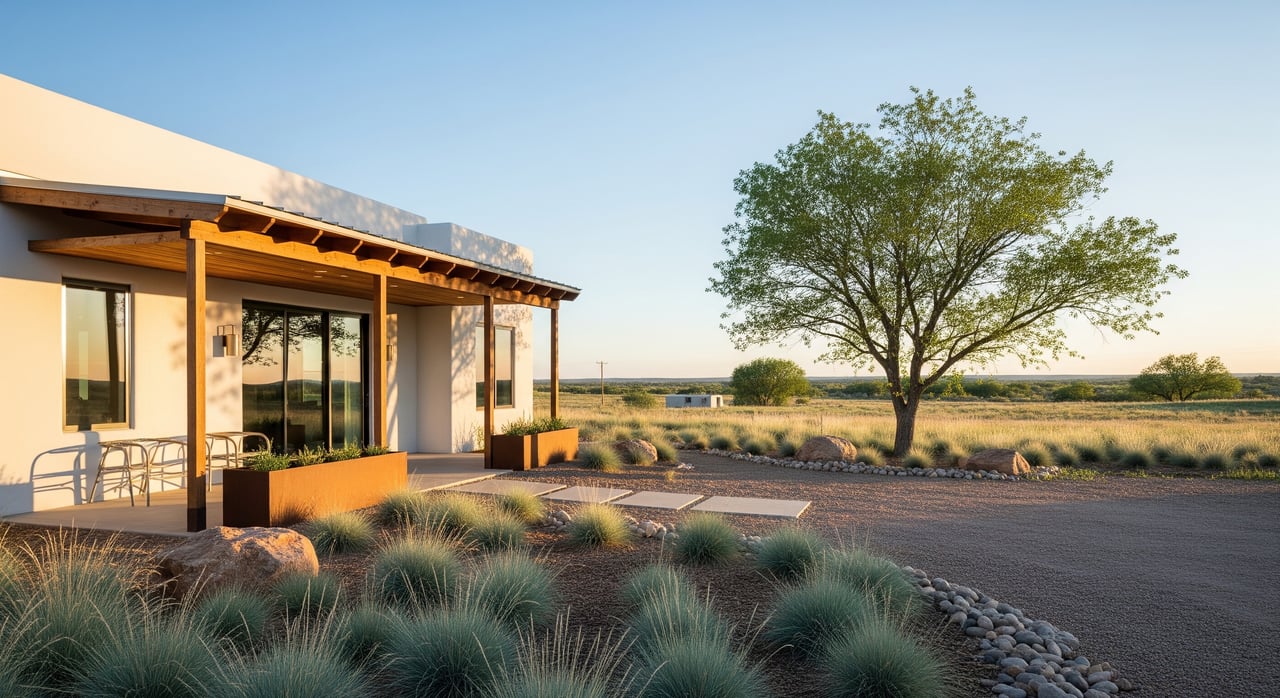
Edge-of-town and rural residential parcels often range from a few to tens of acres. Many are outside city limits, which means county rules apply. You get more room for horses or small livestock, room for RVs or large equipment, and more privacy. You also take on more responsibility for infrastructure and maintenance.

Common features include:

  • Private well and septic instead of city utilities.
  • Propane for heating in some cases, and rural electric service.
  • Private or county road access with owner responsibility for drive grading and fence upkeep.

Wells and water basics

Outside city limits, many properties rely on private wells. In New Mexico, wells require permitting and registration with the Office of the State Engineer. Before you buy, verify the well permit records, test well yield, and check water quality. In some areas, testing for arsenic or nitrates is a smart step. If irrigation rights or ditches are present, confirm any rights, easements, and assessments tied to the land.

Septic systems and approvals

Rural properties often use septic systems. Design and capacity depend on soils and site conditions. Septic systems are permitted by the New Mexico Environment Department or local environmental health offices. Always review the permit history and get an inspection before closing.

Roads, access, and easements

Confirm if access is a city street, public county road, or private drive. Private roads may come with shared maintenance agreements. Also confirm any utility easements and rights-of-way that could affect where you can build and how much land is truly usable.

Cost factors to budget

Each location has its own cost profile. Instead of fixed numbers, focus on categories that change your bottom line.

Taxes and insurance

Property taxes are set by Curry County and taxing districts. If a parcel qualifies for agricultural valuation, taxes can differ, but only with proper use and documentation. Check with the Curry County Assessor for your specific property.

Insurance can vary as well. Rural parcels might see higher premiums based on distance to fire protection and hydrants. Homes with outbuildings, livestock, or specialty equipment may need extra coverage.

Utilities and setup

  • In town: you typically pay city utility bills and benefit from municipal maintenance. Tap fees or capacity questions can arise for new builds or major changes.
  • Small acreage: budget for well drilling or maintenance, septic pumping, propane, and potential electric upgrades to outbuildings. Ask utility providers about service capacity and costs for any planned workshops, barns, or RV hookups.

Ongoing maintenance

  • In town: routine yard care and standard exterior upkeep. City services help with streets, snow clearance, and trash.
  • Small acreage: plan for fence repair, brush and weed control, pasture care, road grading, barn and shop maintenance, and fuel or storage for equipment.

Commute, services, and lifestyle

In-town living keeps you close to schools, healthcare, and retail. Many military families choose in-town or close edge-of-town spots for predictable commutes to Cannon AFB. Small-acreage living adds drive time and places more responsibility on you for access during wind, rain, or winter weather. Consider whether county roads are paved or unpaved and how they perform in different seasons.

If you value space for horses, chickens, or a workshop, acreage can be ideal. If you prefer a low-maintenance lifestyle near daily services, in-town may be the better fit.

What to verify before you buy

Use this checklist to protect your investment and avoid surprises.

  • Jurisdiction and zoning

    • Confirm if the property is inside city limits or in unincorporated Curry County. Rules change with location.
    • Review permitted uses, setbacks, and rules for animals and accessory buildings with the City of Clovis or Curry County.
  • Survey, boundaries, and easements

    • Request a recent survey. Confirm fences align with property lines.
    • Identify utility easements, rights-of-way, and any irrigation or drainage easements.
  • Water and well records

    • For rural parcels, request the well permit and registration from the New Mexico Office of the State Engineer.
    • Test well flow and water quality for nitrates, arsenic, and other concerns. Confirm any irrigation rights.
  • Septic and wastewater

    • Obtain the septic permit history and a current inspection. Confirm location, capacity, and age.
  • Access and road maintenance

    • Verify whether the road is public or private and who maintains it. Review any recorded road agreements.
  • Taxes, insurance, and utilities

    • Review the latest tax bill and ask about any special assessments.
    • Get insurance quotes that reflect distance to fire protection and presence of outbuildings or animals.
    • Confirm availability and capacity for electric, propane, and internet. Ask about service to outbuildings.
  • Permits and past work

    • Check building permit history for all structures. Flag any unpermitted additions or conversions.
  • Flood and environmental

    • Review FEMA flood maps for the parcel. Confirm any floodplain rules and insurance impacts.
    • Ask about prior agricultural uses and consider soil testing if needed.
  • CC&Rs or HOA rules

    • If present, read them closely. Confirm animal limits, building styles, and any landscaping or use restrictions.
  • Comparable sales and resale

    • Ask your agent for recent comps for both in-town and acreage properties. Pricing can shift with utility set-up, condition, and usable acreage.

Which fit matches your lifestyle

Consider these quick profiles to guide your choice.

  • Urban-oriented buyer

    • Values short drives, municipal services, and quick access to schools and clinics.
    • Prefers lower maintenance and established neighborhoods.
  • Hobby farmer or livestock owner

    • Needs fenced land, a barn or room to build one, and reliable well water.
    • Accepts added upkeep for the freedom to keep animals and equipment.
  • Military or transfer buyer

    • Prioritizes a predictable commute to Cannon AFB and good resale potential.
    • Often chooses in-town or close edge-of-town for access and convenience.
  • Future expanders

    • Want room for a workshop or accessory dwelling unit, subject to permits.
    • May seek larger lots at the fringe or small acreage with good access.

How The Waters Group helps

Choosing between an in-town lot and small acreage in Clovis touches many moving parts. You balance comfort, commute time, utility systems, zoning, and long-term upkeep. Our team is built for this kind of decision.

With deep local roots across Clovis and Curry County, we combine broker-level guidance with hands-on support. We help you:

  • Identify whether a parcel is in the city or county and what rules apply.
  • Coordinate well, water quality, and septic checks with the right professionals.
  • Review access, easements, surveys, and permit histories.
  • Compare in-town and acreage comps so you can buy with confidence.
  • Plan a smooth timeline, including military relocations and remote closings.

Ready to zero in on the right fit? Request our buyer packet and walk through the steps with a local expert. ¿Prefiere hablar en español? Con gusto. Start a conversation with Tammy Waters.

FAQs

What are the main differences between in-town and small-acreage homes in Clovis?

  • In town you get municipal water and sewer, shorter commutes, and lower maintenance. Small acreage offers space for animals, outbuildings, and privacy, but you take on wells, septic, and more upkeep.

How do wells and water rights work for rural properties near Clovis?

  • Many rural parcels use private wells that must be permitted and registered in New Mexico. Verify records, test flow and water quality, and confirm any irrigation rights or ditch obligations.

What should I check on a septic system before buying acreage?

  • Get a current inspection and review permit history. Confirm system type, location, and capacity, and make sure the design fits the home and soil conditions.

Will my insurance be higher on a small-acreage property?

  • It can be. Insurers consider distance to fire protection, lack of hydrants, and the presence of barns, equipment, or animals. Get quotes early in your search.

How do I know if a property is inside city limits or in the county?

  • Ask your agent to verify jurisdiction through the City of Clovis or Curry County records. Jurisdiction affects zoning, utilities, permits, and services.

Can I keep horses or chickens on an in-town Clovis lot?

  • City zoning and any HOA rules set limits on animal types and numbers. Always confirm allowed uses, setbacks, and any waste management rules before you buy.

Trusted Guidance for Your Next Move

Partner with Tammy who's dedicated to providing clarity, care, and honesty throughout every step.